
Chorizanthe staticioides
Chorizanthe staticioides
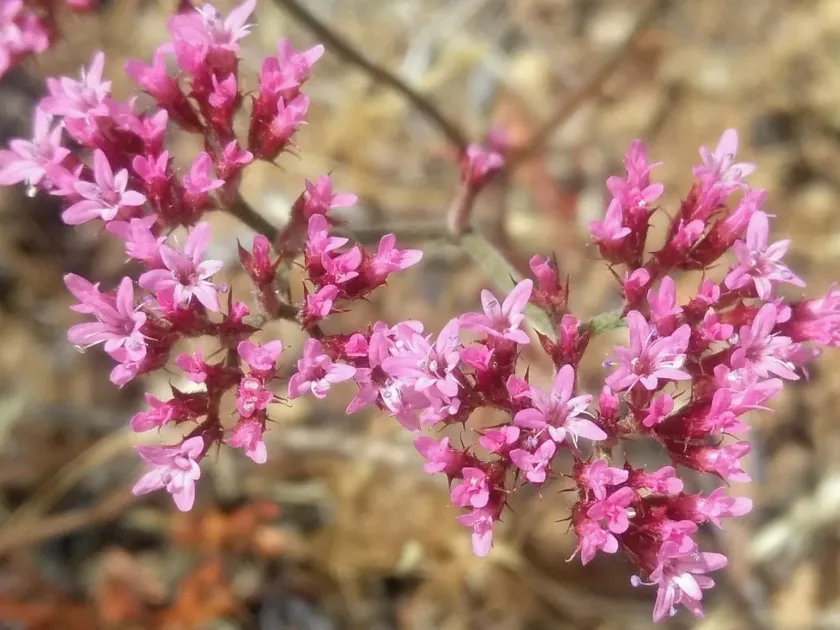
Description
Growing requirements
Chorizanthe staticioides, commonly known as the Turkish rugging, belongs to the Polygonaceae family. It is an herbaceous annual plant known for its distinctive appearance and robust nature in arid environments, often found in open fields and slopes.
The native distribution area of this species is primarily centered in California, where it has adapted to Mediterranean climates. It thrives in regions characterized by wet winters and long, hot, dry summers, reflecting its evolutionary success in water-scarce habitats.
To cultivate this crop successfully, growers must prioritize well-drained, sandy or gravelly soil conditions. The plant is highly sensitive to waterlogging; therefore, the substrate should mimic the natural soil profile of its native habitat to ensure health.
The crop demands full sun exposure to maintain its structural integrity and encourage proper flowering. Shaded locations are generally unsuitable, as they lead to weak growth and increased susceptibility to opportunistic pathogens and physiological stress.
Regarding agricultural use, Chorizanthe staticioides is valued as an ornamental species, particularly for dried flower arrangements. Its persistent bracts allow it to retain color and shape, making it an attractive niche crop for professional florists and gardeners.
Main diseases and pests
The primary threats to this crop are soil-borne pathogens, specifically those causing root and crown rot. These conditions are typically triggered by improper irrigation practices or poor soil drainage, which remain the most critical factors in crop management.
Pests such as spider mites and aphids may infest the plant during the vegetative phase. Effective management involves integrated pest control strategies, emphasizing proper spacing to ensure adequate airflow and humidity control around the foliage.