
Thaumastochloa cochinchinensis
Thaumastochloa cochinchinensis
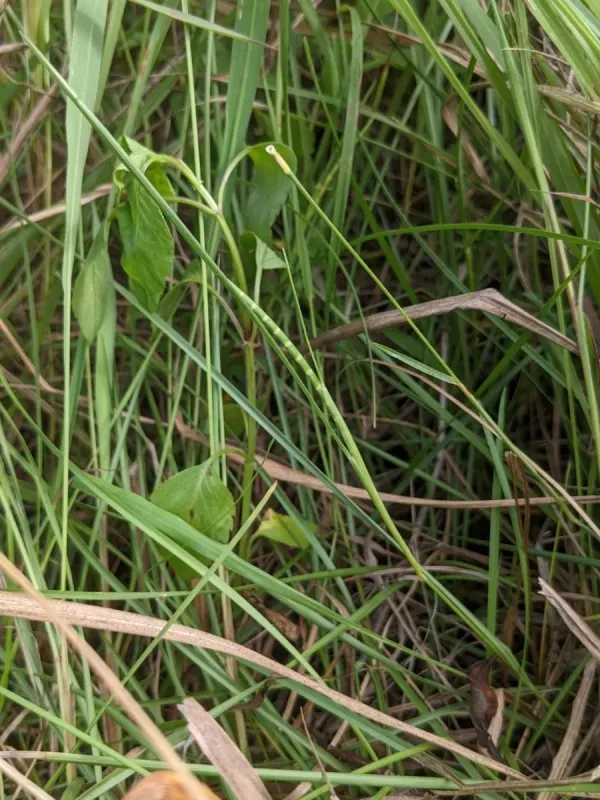
Description
Sowing dates
Sowing Thaumastochloa cochinchinensis requires carefully prepared seedbeds to ensure optimal contact between the soil and small seeds. The ideal timing coincides with the onset of the warm, wet season, which provides the necessary heat for germination.
Shallow sowing is highly recommended, as deeper burial can prevent the seedling from emerging through the soil surface. Light coverage or rolling after seeding is essential to protect the seeds from displacement by wind or light rain.
Seed density should be calibrated to avoid overcrowding, which can lead to competition for light and nutrients. Balanced spacing helps in establishing a uniform canopy that efficiently captures solar energy.
Supplemental irrigation might be required in the first few weeks if rain is infrequent. Consistent moisture is vital for root establishment, which eventually makes the plant more drought-tolerant as it matures.
Early season weed control is crucial, as the seedlings are relatively slow to establish their initial biomass. Once the grass creates a dense cover, it becomes highly effective at suppressing competing weeds.
Growing requirements
As a member of the Poaceae family, this crop thrives in tropical and subtropical environments where sunlight is abundant. It demands high levels of light exposure to reach its full yield potential.
The plant performs best in well-drained, fertile soil. While it is adapted to diverse soil types, it is highly sensitive to waterlogging, which can rapidly damage its root system and stunt its development.
Nutrient management is key to maintaining high productivity. Application of nitrogen-rich fertilizers during the vegetative stage significantly boosts the production of green fodder, which is vital for commercial operations.
The crop prefers stable temperatures ranging from 22 to 30 degrees Celsius. Extreme heat, combined with drought, can lead to dormancy, while cold snaps are generally poorly tolerated by the vegetative structures.
Soil aeration is a significant factor in promoting healthy root growth. Regular maintenance of the soil structure and pH balance ensures that nutrients are readily available for the plant's metabolic processes.
Main diseases and pests
Typical threats include fungal pathogens that thrive in high-humidity environments, particularly leaf spots and rusts. Monitoring the foliage for discoloration or lesions is essential for early detection.
Pest pressure often comes from leaf-eating insects that can significantly reduce the photosynthetic area of the plant. Integrated pest management strategies, such as crop rotation, are advised to mitigate damage.
Root-knot nematodes can pose a hidden threat, especially in sandy soils. These pests interfere with the plant's nutrient uptake, leading to visible signs of stunted growth and overall weakness.
Birds and small rodents may target the seeds, especially during the maturation phase. Protective netting or noise-based deterrents might be used in high-value seed production plots.
Viral infections transmitted by sap-sucking vectors, such as aphids or leafhoppers, can cause stunted growth. Controlling the populations of these insect vectors is the primary method of preventing widespread viral outbreaks.
Harvesting
The harvesting stage is critical for maximizing both quantity and quality. The optimal time is typically during the early flowering phase when the nutrient content, particularly proteins, is at its peak.
Techniques such as mechanical mowing should be performed at a height of about 5 to 7 centimeters to allow the crown of the plant to regenerate quickly, ensuring a sustainable number of seasonal cuts.
If the material is intended for hay, quick drying is preferred to preserve color and nutritional profile. Exposure to excessive rain during the drying process should be avoided to prevent nutrient leaching.
For seed production, harvesting should occur when the heads are fully developed but before the seeds start shedding naturally. This balance is important to prevent significant harvest losses in the field.
Post-harvest storage requires well-ventilated areas to prevent mold growth, especially in humid regions. Properly stored forage maintains its palatability and nutritional value for livestock throughout the dry season.