
Shibataea kumasasa
Shibataea kumasasa
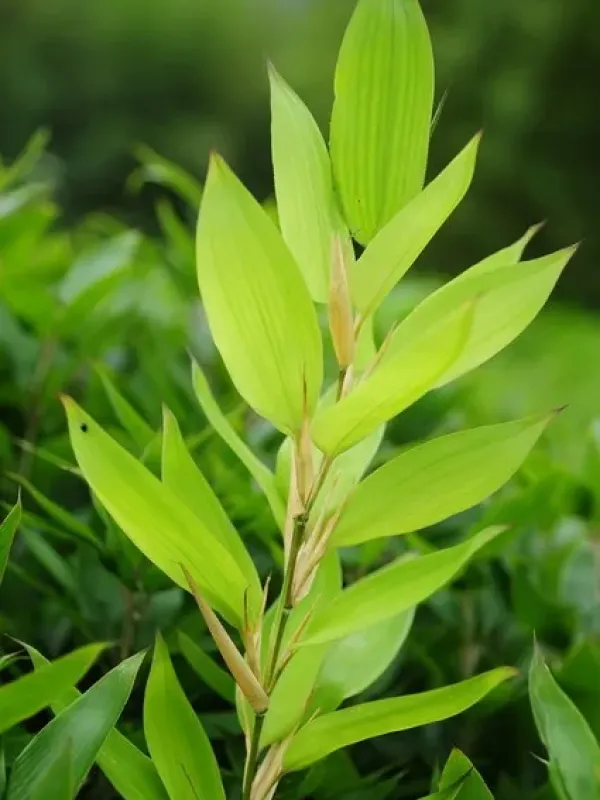
Description
Growing requirements
Shibataea kumasasa is a distinctive species of low-growing bamboo belonging to the Poaceae family, naturally found in East Asian regions including China and Japan.
This bamboo species thrives in locations that offer bright, indirect light or partial shade, as it is sensitive to intense, prolonged direct sunlight that can scorch its dark green foliage.
The ideal growing substrate should be well-draining, nutrient-rich, and slightly acidic to neutral. High moisture retention is beneficial, but the soil must never remain waterlogged, as it can cause root rot.
Regular mulching around the base of the plant helps retain soil moisture and protects the rhizomes during colder months, enhancing the plant's overall hardiness and growth rate.
Shibataea kumasasa is prized for its unique, broad, lance-shaped leaves that give it a shrub-like appearance. It is an excellent choice for ground cover or as a container plant in landscape design.
Main diseases and pests
The most common pests affecting this bamboo are spider mites, which typically target the leaves during periods of low humidity and high temperatures.
Fungal diseases, such as leaf spot or powdery mildew, can appear if the plant is grown in overly dense, poorly ventilated areas with high humidity.
Aphids occasionally infest the new, tender shoots, causing stunted growth and potentially spreading secondary infections throughout the clump.
Root pathogens are a serious threat; they are usually triggered by excessive irrigation or improper drainage systems in the planting bed.
To keep the plant healthy, conduct seasonal inspections of the foliage and ensure the clump is thinned out every few years to maintain airflow and vigor.