
Setaria poiretiana
Setaria poiretiana
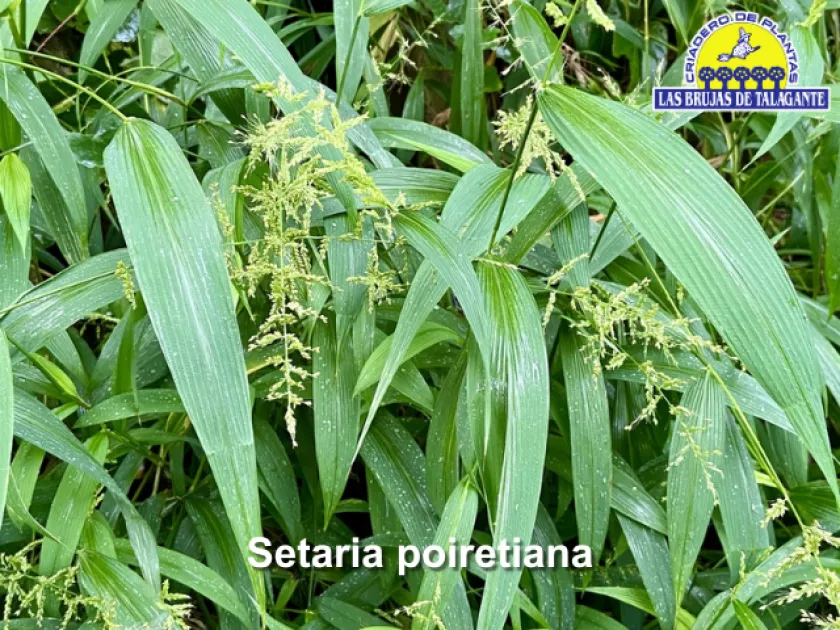
Description
Sowing dates
Sowing Setaria poiretiana should be timed with the onset of favorable growing conditions, typically after the soil has warmed up and a stable moisture supply is guaranteed. In tropical climates, timing the planting just before the rainy season is often the most successful strategy.
Seeds should be sown shallowly, ideally at a depth of 2-3 centimeters. Utilizing standard grain drills is effective, ensuring a uniform distribution across the field and promoting consistent germination rates across the entire planting area.
Seeding rates are determined by the intended use of the crop, whether for establishing permanent pasture or for intensive hay harvesting. Proper plant density is crucial to minimize competition with weeds while ensuring the crop reaches its full biomass potential.
Post-emergence care involves light harrowing to manage surface soil crusting and improve aeration. This practice encourages the development of a healthy root system, which is vital for the plant's resilience and its ability to withstand subsequent cuts during the growing season.
Applying initial nitrogen-based fertilizers shortly after germination significantly boosts early growth rates. Careful soil analysis prior to planting ensures that the nutrient balance is optimized for the plant's specific metabolic needs, leading to higher forage productivity.
Growing requirements
Setaria poiretiana is a perennial herbaceous plant belonging to the Poaceae family. This species is widely recognized in tropical and subtropical regions for its ability to produce significant biomass, making it an essential component for livestock forage programs.
The plant thrives in well-drained, fertile soils but demonstrates notable adaptability to a variety of soil textures. As a sun-loving species, it requires locations with ample sunlight to maximize its growth potential and nutritional value throughout the development stages.
Botanically, Setaria poiretiana is characterized by dense, tufted growth habits that help stabilize soil and improve ground cover. Its robust stem structure and narrow, elongated leaves are highly efficient at harvesting solar energy, which translates into high forage yields for agricultural use.
In terms of climate, the species prefers warm temperatures and is well-adapted to environments with distinct wet and dry seasons. While it displays some drought tolerance, consistent moisture availability is key to sustaining vigorous growth and producing high-quality fodder for grazing animals.
хозяйственном uses include direct grazing and the harvesting of material for hay production. Its high protein content during the early vegetative phase makes it a preferred choice for farmers looking to enhance the nutritional intake of their livestock in tropical environments.
Main diseases and pests
The primary threats to Setaria poiretiana involve fungal pathogens, particularly leaf spot diseases and rusts that thrive in humid environments. These conditions can significantly impair photosynthesis and reduce the overall nutritional quality of the forage.
Insect pests, including various species of aphids and lepidopteran larvae, can cause localized damage to foliage and stems. Regular field scouting is recommended to identify infestation levels early, allowing for targeted and effective management strategies before damage becomes severe.
Disease management strategies emphasize the importance of crop rotation and the selection of certified, disease-resistant seed varieties. In instances where chemical intervention is required, strict adherence to label guidelines and pre-harvest intervals is mandatory for safety.
Poor soil drainage can lead to root rot issues, which are particularly detrimental to the plant's survival. Improving soil aeration and implementing robust water management systems are essential preventive measures to maintain the health of the stand in susceptible fields.
Integrated weed management is also necessary to protect the crop. Weeds not only compete for essential resources but can also act as reservoirs for pests and diseases, making a holistic approach to field health the most effective way to protect the investment in the forage crop.
Harvesting
Harvesting Setaria poiretiana at the optimal growth stage—typically during the early flowering phase—is essential to balance forage quality and yield. This timing ensures that the plant contains the highest concentration of digestible protein and energy.
The cutting height is a critical aspect of harvest management. Leaving a stubble height of approximately 8 to 10 centimeters promotes rapid regrowth and protects the plant's crown, ensuring longevity of the stand for future harvests throughout the growing cycle.
For hay production, rapid drying is necessary due to the high succulent nature of the forage. Utilizing mechanical tedders allows for uniform drying in the swath, which preserves the green color and nutritional integrity of the hay, preventing spoilage from mold or bacterial growth.
In intensive production systems, multiple cuts per season are common. It is advisable to follow each harvest with a balanced fertilizer application to replace nutrients removed from the soil, thereby maintaining consistent productivity and stand vitality.
Efficient machinery maintenance, including sharp mower blades and precise baling equipment, helps reduce harvesting losses. A structured approach to cutting and baling ensures that the forage is of premium quality, contributing to better animal performance during winter months.