
Little bluestem
Schizachyrium scoparium (Michx.) Nash
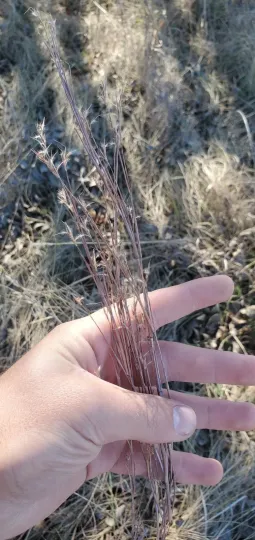
Description
Growing requirements
Little bluestem (Schizachyrium scoparium) is a perennial bunchgrass belonging to the Poaceae family. Native to North America, this species is a dominant component of the prairie ecosystem and is highly valued for its resilience in varying environmental conditions.
The plant is exceptionally drought-tolerant and thrives in poor, sandy, or rocky soils. It requires full sun exposure to maintain its characteristic upright habit and vibrant foliage color, as shading leads to lodging and diminished vigor.
Optimal growth is achieved in well-drained soils. While it can tolerate a variety of pH levels, it performs best in soils that do not retain excess water, as the species is adapted to moisture-limited environments rather than aquatic habitats.
In terms of agricultural management, Little bluestem is a low-maintenance crop. It does not require intensive fertilization, as it is evolved to extract nutrients from depleted soils, making it an excellent choice for low-input land management systems.
Beyond its traditional use as forage, it is increasingly utilized in ecological restoration. Its extensive root system makes it an effective tool for soil stabilization and the prevention of erosion on slopes and degraded pastures.
Main diseases and pests
Little bluestem is characterized by strong natural resistance to major grass pathogens. Its coarse texture and chemical composition deter many common herbivores and insect pests, resulting in a naturally robust crop.
Root rot is the most significant threat, triggered primarily by poor drainage and standing water. Maintaining soil permeability is essential to ensure the longevity of the stand, particularly during the dormant season.
Rust fungi may occur under conditions of high humidity combined with poor air circulation. Proper spacing between plants is recommended to allow for adequate ventilation and reduce the risk of localized fungal outbreaks.
Pest pressure is generally low. While grasshoppers may occasionally feed on young foliage during severe drought cycles, they rarely cause economic damage to established fields of this species.
Integrated pest management should focus on cultural practices rather than chemical control. Keeping the site free from aggressive invasive weeds during the establishment phase ensures that Little bluestem can fully occupy the space and form a dense, healthy sod.