
Ischaemum magnum
Ischaemum magnum
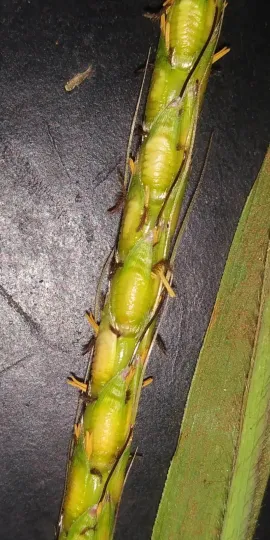
Description
Sowing dates
The sowing season for Ischaemum magnum is primarily determined by local tropical or subtropical climatic conditions. The ideal time for establishing new fields is the beginning of the rainy season, which ensures high germination rates without the necessity for early artificial irrigation.
Successful germination requires soil temperatures maintained at a steady 20–22 degrees Celsius. It is crucial to note that the crop is sensitive to drastic temperature fluctuations during the seedling phase, making early spring sowing risky in regions with unpredictable weather patterns.
Seeding should be performed using precision planters, with sowing depth strictly limited to 1–2 centimeters. Shallow planting is necessary due to the small size of the seeds, which require adequate sunlight exposure to trigger rapid photosynthetic activity.
Optimal seeding density varies depending on the intended use; forage production typically requires higher seeding rates compared to seed multiplication plots. Maintaining row spacing of 30–45 centimeters facilitates weed control and promotes healthy tillering of the grass.
Post-sowing, light soil compaction is recommended to improve seed-to-soil contact, which is vital in environments where topsoil dries out quickly. In smaller garden settings, hand sowing followed by light organic mulching is an acceptable alternative practice.
Growing requirements
Ischaemum magnum, a member of the Poaceae family, is a heat-loving plant that demands sufficient moisture for vigorous vegetative growth. The crop performs best in well-drained soils, as waterlogging can severely damage the root system and stunt overall development.
The plant prefers loam or sandy loam soils with a neutral to slightly acidic pH level. High organic matter content significantly boosts productivity, so incorporating compost or well-rotted manure before planting is a fundamental step in ensuring a healthy crop stand.
In its native habitat, Ischaemum magnum is found in high-humidity regions, which underscores its moisture requirements. While it possesses some drought tolerance, maximum biomass yield is only achieved through consistent rainfall or well-managed drip irrigation systems.
Light availability is a critical factor for development, as this grass reacts negatively to shade cast by other plant species. Full sun exposure throughout the day is essential for robust tillering and the formation of healthy reproductive shoots.
The crop shows moderate tolerance to soil salinity, making it a potential candidate for land reclamation in specific tropical zones. Nevertheless, fertile, well-aerated soils remain the optimal environment for promoting a deep and expansive root system.
Yield
The potential biomass yield of Ischaemum magnum depends on the level of intensification in agricultural practices, including nutrient management and irrigation. Under favorable conditions, the crop is capable of producing multiple cuttings within a single growing season.
Average dry matter yield correlates with the harvesting schedule; overly frequent cutting can deplete the root system, reducing long-term productivity. Maintaining a balance that allows the grass to regenerate between harvests is essential for sustainable yield.
Peak productivity is achieved through the application of nitrogen fertilizers, which stimulate rapid leaf and stem growth. This is particularly important when the grass is intended for high-quality livestock feed production.
Nutritional analysis suggests that the optimal cutting stage is during the early flowering phase, before the stems begin to lignify. At this stage, the concentration of crude protein and soluble sugars reaches its maximum, increasing the feed's value for livestock.
Seed yield is an additional economic factor, though it requires strict control over harvesting timing to prevent seed shattering. Specialized harvesting machinery helps minimize losses and ensures high-quality seed material for future planting cycles.
Main diseases and pests
Like many grass species, Ischaemum magnum can be susceptible to various fungal diseases, such as rusts and leaf spots. These infections tend to spread rapidly in high-humidity conditions and dense stands, necessitating preventive fungicide applications and careful monitoring.
Pests, including soil-dwelling larvae and various aphid species, can cause significant damage to young seedlings, slowing development. Regular field inspections allow for the early detection of infestation hotspots and the implementation of biological or chemical control measures.
Weeds pose a severe threat to Ischaemum magnum, particularly during the early establishment phase when the crop grows relatively slowly. Inter-row cultivation and effective crop rotation are necessary strategies to reduce weed pressure and protect the crop stand.
Poor agronomic management, specifically over-irrigation, often triggers root rot, which can lead to localized crop loss. Maintaining proper drainage systems and avoiding water stagnation are fundamental protective measures against such pathogens throughout the season.
For long-term disease resistance, it is recommended to use improved cultivars and maintain spatial isolation between fields of different grass species. A comprehensive approach, combining preventive agronomy and protective measures, guarantees stable production.
Harvesting
Harvesting Ischaemum magnum is performed using standard forage harvesting equipment adapted for grasses. It is important to set the cutting height correctly to leave enough nodes for rapid regeneration of the next crop cycle after each harvest.
Harvest timing depends on the intended use: for silage or haylage, the grass should be cut at the start of the flowering stage. If producing dry hay, effective tedding is required to ensure uniform drying and the preservation of nutritional content.
In hot climates, the cut biomass dries relatively quickly, which reduces the risk of spoilage, provided that moisture levels are carefully monitored before storage. High moisture in stored hay can lead to mold or, in extreme cases, self-ignition.
Seed crops are harvested at the stage of full waxy maturity, when the inflorescences become dry and brittle. Direct combining is typically used to minimize losses and ensure efficient seed collection.
Post-harvest processing involves cleaning seeds of impurities and drying them to a moisture content suitable for long-term storage. Careful handling of seed material ensures high viability and productivity for the subsequent growing season.