
Wrinkled grass
Ischaemum rugosum Salisb.
Description
Growing requirements
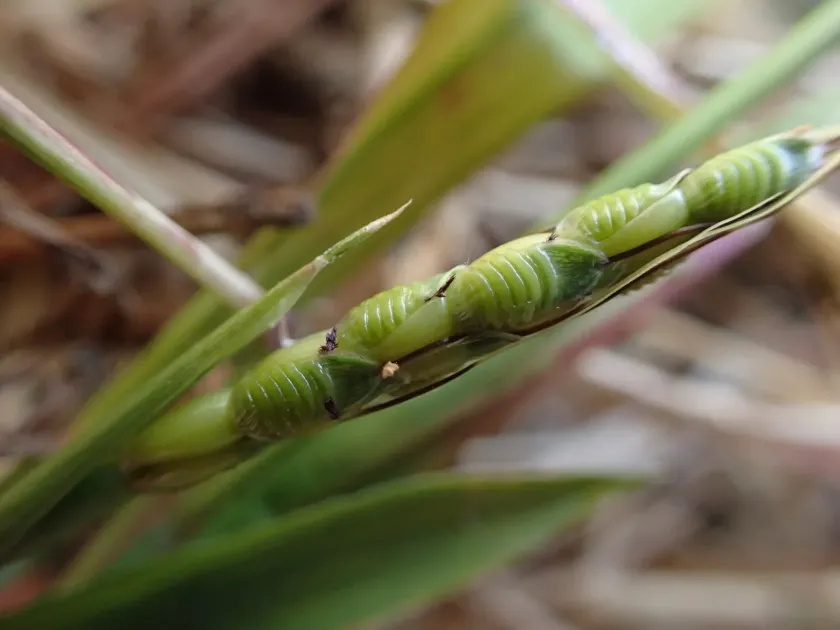
Wrinkled grass (Ischaemum rugosum) is an annual plant species belonging to the Poaceae family. It is widely recognized in agriculture as a persistent weed that aggressively colonizes tropical and subtropical ecosystems.
The plant originates from Asia and has adapted to thrive in wet, humid environments. It is predominantly found in flooded areas, irrigation ditches, and rice fields, where it competes directly with cultivated crops.
Its growth requirements include high temperatures and consistently moist, waterlogged soil conditions. The plant demonstrates high tolerance to anaerobic soil environments, which often allows it to outcompete standard agricultural cultivars.
Wrinkled grass flourishes in soils that are rich in nutrients. Because of its fast growth rate and strong root system, it significantly depletes soil nitrogen and phosphorus, leaving little for the main crop.
Proper agronomic management requires a combination of land preparation, timely irrigation control, and the application of pre-emergent or post-emergent herbicides specifically formulated to control grass-like weeds.
Main diseases and pests
Ischaemum rugosum serves as an alternative host for several economically significant plant pathogens. These include various fungi and viruses that can cause severe damage if transmitted to commercial cereal crops.
Typical insect pests affecting this plant include stem borers and leaf-feeding caterpillars. These pests use the weed as a shelter, enabling them to survive during off-seasons and migrate to crops once they are established.
Fungal diseases, such as leaf spot and various blights, are prevalent on wrinkled grass during the rainy season. These pathogens pose a continuous risk to the surrounding healthy vegetation.
To prevent the infestation of fields, farmers must implement strict biosecurity measures. This includes cleaning irrigation water and ensuring that farm machinery is thoroughly disinfected before moving between different plots.
The most effective approach involves integrated pest management (IPM) strategies, which combine cultural practices, such as crop rotation, with targeted chemical interventions to suppress weed populations.