
Ischaemum ciliare
Ischaemum ciliare Retz.
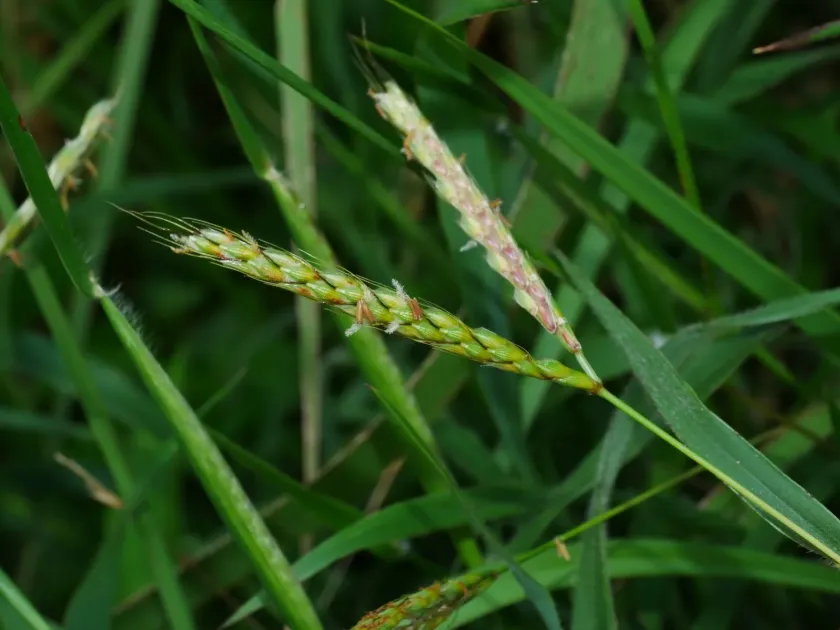
Description
Growing requirements
Ischaemum ciliare is a perennial grass species belonging to the Poaceae family. This plant is well-adapted to tropical climates and is widely recognized for its ability to form dense, resilient mats in moist environments.
The crop thrives in sunny locations with high moisture availability. It grows best in fertile, well-drained soils, although it shows significant tolerance to periodic waterlogging, making it suitable for low-lying areas.
Temperature requirements for optimal growth are consistently within the tropical range, typically between 20°C and 30°C. It lacks cold hardiness and is primarily cultivated in regions where frost is absent throughout the year.
Agronomic management involves regular weeding in the early stages of growth to ensure the crop can establish itself. Once fully developed, its dense growth habit effectively suppresses competing weed species.
In agricultural practice, this grass is primarily used for livestock grazing and soil conservation. Its biomass provides a stable source of forage, especially in areas where intensive grass production is not feasible.
Main diseases and pests
The primary threats to healthy stands include fungal pathogens, such as leaf blight and rust, which often occur during periods of high humidity and stagnant air. These conditions favor the rapid spread of spores.
Various insect pests, including stem borers and leaf-eating beetles, can cause significant damage to the plant tissue. Persistent infestations often lead to a reduction in both nutritional quality and total biomass.
Mitigation of these threats relies heavily on good field sanitation and proper spacing to improve air circulation. Avoiding over-fertilization with nitrogen can also help reduce the plant's susceptibility to certain fungal diseases.
Chemical control methods, such as the application of fungicides or insecticides, should be implemented judiciously. It is essential to choose products that do not leave harmful residues on the forage.
Monitoring programs are vital for early detection of potential outbreaks. Maintaining a balanced ecosystem within the field can often naturally suppress minor pest populations and reduce the need for intervention.