
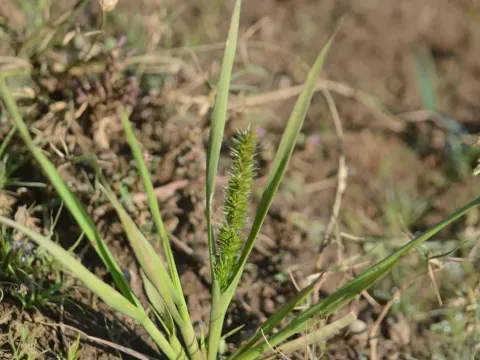
Elytrophorus
Elytrophorus
Elytrophorus is an annual grass genus belonging to the Poaceae family, widely recognized for its adaptation to tropical environments. In its natural habitat, germination occurs during the rainy season when moisture levels are optimal for rapid seedling emergence.
What the section contains

Elytrophorus
When cultivating this species, timing is crucial; the seeds should be sown when soil temperatures are consistently high. Early development is energetic, as the plant needs to establish its root system before the peak of the growth season.
The sowing depth must be kept shallow to ensure the small seeds have sufficient access to light and oxygen. Proper spacing is required to prevent overcrowding and to allow each plant to develop its full architectural potential.
In managed environments, it is recommended to provide consistent soil moisture through irrigation during the germination phase. Once established, the plants demonstrate a remarkable ability to utilize rainfall efficiently.
Early-stage management involves ensuring the young shoots have access to sufficient nutrients. Applying a balanced fertilizer during the tillering stage can significantly boost the formation of vegetative biomass.
Elytrophorus thrives in environments with high light intensity, as it is a typical sun-loving grass species. It is well-adapted to open areas where competition for sunlight is minimal, allowing for rapid canopy development.
The genus displays a high tolerance for waterlogged soils, making it an excellent candidate for areas that experience seasonal flooding. It flourishes in heavy clay-like soils where other crops might suffer from poor drainage.
Thermal requirements for the optimal growth of Elytrophorus range between 25 and 35 degrees Celsius. The species does not handle frost well, and exposure to cold snaps can be detrimental to its overall health.
Soil fertility requirements are moderate, though the plant benefits from nitrogen-rich substrates. It is capable of surviving in nutrient-poor conditions, making it a robust species for marginal lands.
Adequate ventilation is necessary for healthy growth. Dense stands should be monitored to ensure air circulation, which helps in maintaining the health of the lower stems and root base.
Fungal pathogens such as rusts are the primary threats to Elytrophorus, especially in conditions of high humidity. Regular scouting is essential to identify early symptoms of fungal infection on the foliage.
Pests such as grasshoppers and various aphids can cause significant damage to the plant's vegetative parts. These insects are particularly attracted to the lush, rapidly growing tissues during the rainy season.
Root rot is a common issue when the soil remains saturated for extended periods, despite the plant's affinity for water. Proper site selection can mitigate the risks associated with pathogen buildup in stagnant water.
Integrated pest management strategies are recommended, emphasizing the use of biological controls to keep pest populations in check. This approach maintains the environmental balance of the field.
Maintaining clean farming practices, such as removing debris and weeds, is vital for preventing the spread of diseases. This reduces the reservoir for pathogens that might otherwise target the Elytrophorus crop.