
Elytrophorus spicatus
Elytrophorus spicatus (Willd.) A. Camus
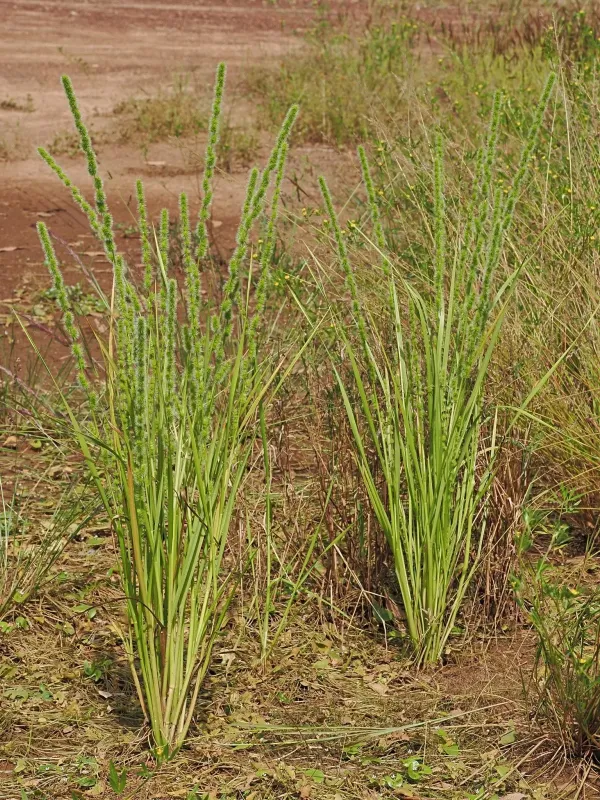
Description
Sowing dates
Elytrophorus spicatus is an annual grass species whose life cycle is deeply synchronized with seasonal moisture availability. The germination phase typically begins with the onset of rains, when both soil temperature and moisture levels are conducive to rapid growth.
Seedlings exhibit a rapid developmental rate, quickly establishing a root system that allows them to thrive in fluctuating moisture conditions. Strategic sowing should target the commencement of the rainy season to ensure plants reach maturity before the dry period.
In a cultivation setting, seeds should be sown shallowly because they require light for optimal germination. Proper seedbed preparation, involving light rolling, is crucial to maintain seed-to-soil contact without burying the seeds too deeply.
The density of the sowing should be managed to prevent excessive competition between individual plants while ensuring full utilization of the available space. In well-maintained plots, the grass forms a dense mat that helps in soil stabilization.
Agricultural timing is vital; if sown too late, the plants may transition into the flowering stage prematurely due to photoperiodic responses, which results in a significant reduction in vegetative biomass production.
Growing requirements
As a member of the Poaceae family, Elytrophorus spicatus is well-adapted to habitats characterized by high moisture, such as wetlands, riverbanks, and temporary depressions. It demonstrates a high tolerance for waterlogged soils that would be detrimental to other crops.
The plant thrives in heavy, nutrient-rich soils, particularly clay and silty loams. These soil types are excellent at retaining the water necessary to sustain the plant during its intensive growth phases in tropical and subtropical regions.
Light availability is a primary requirement for the plant's physiological activities. It is highly photophilous and performs best in open areas where it is not overshadowed by taller vegetation, allowing for maximum photosynthetic efficiency.
Temperature parameters play a significant role in the metabolism of the species, with optimal performance observed between 25 and 30 degrees Celsius. Maintaining these conditions ensures consistent vegetative vigor and structural integrity.
Field management requires careful monitoring of water levels. While the plant loves moisture, stagnant water with extremely low oxygen levels for prolonged periods should be managed to ensure nutrient uptake remains efficient.
Main diseases and pests
The main threat to Elytrophorus spicatus in grazing systems is overgrazing, which depletes the plant's carbohydrate reserves and compromises its ability to regenerate. Controlled grazing intervals are essential for sustainable utilization.
Fungal diseases, including leaf spots and rusts, can become problematic in high-humidity environments with poor air circulation within the stand. These pathogens can significantly reduce the nutritional quality of the forage.
Pests such as grasshoppers and various sap-sucking insects often target the leaves and reproductive organs. Their feeding activity can reduce the seed yield and weaken the plant's overall structural health during the growing season.
Weed encroachment represents a major challenge, especially in the early stages of establishment. Competitive species can quickly overwhelm the grass if the habitat conditions are not optimized for the rapid growth of the target culture.
Environmental stress, particularly sudden shifts in the water regime, can trigger premature flowering. This shift in developmental stage reduces the value of the biomass as fodder and creates an opening for more invasive plant species.