
Bouteloua pilosa
Bouteloua pilosa
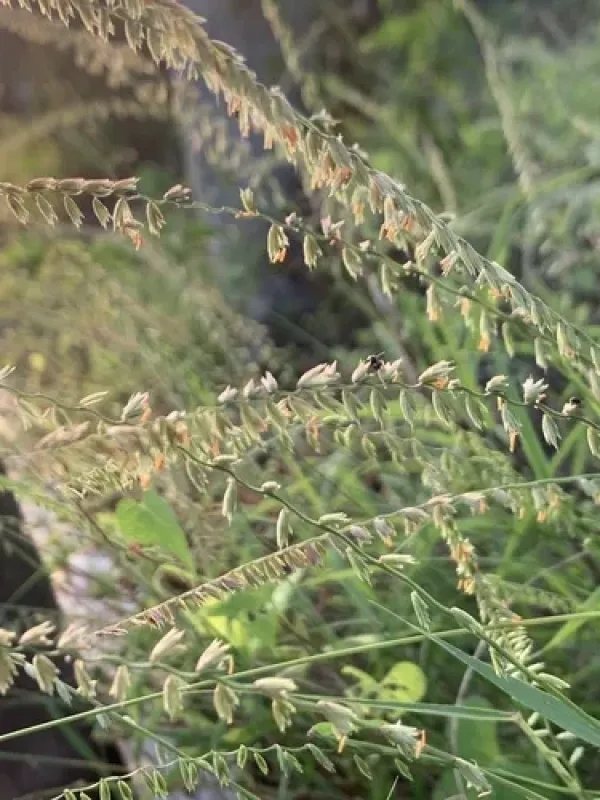
Description
Sowing dates
Bouteloua pilosa belongs to the Poaceae family and is a warm-season grass characterized by its adaptation to arid and semi-arid environments.
The optimal time for sowing is late spring, when the soil temperature consistently reaches at least 18-20 degrees Celsius for germination.
Seeds should be planted at a shallow depth of approximately 1-2 cm to ensure they have enough access to heat while remaining protected from drying out.
A well-prepared seedbed is essential to provide good soil-to-seed contact, which facilitates uniform and rapid emergence.
In field production, seeding rates should be adjusted according to the desired stand density, considering the typical tillering capacity of the plant.
Growing requirements
This grass thrives in full sunlight and requires open areas, as it does not tolerate shade, which significantly impacts its growth rate and development.
It prefers well-drained, sandy, or rocky soil types that prevent waterlogging, a condition to which this species is particularly sensitive.
Bouteloua pilosa is exceptionally drought-tolerant, making it an ideal candidate for restoration projects in regions with limited rainfall.
While the plant is undemanding regarding soil fertility, it responds positively to controlled nutrient application during the initial establishment phase.
The species exhibits high environmental adaptability, functioning effectively within a broad range of soil pH values typical of grassland biomes.
Yield
The biomass yield of Bouteloua pilosa is primarily utilized for livestock grazing, providing a consistent source of forage in harsh conditions.
While its total biomass production per hectare is lower than some cultivated forage crops, its nutritional value remains high during drought periods.
Optimizing yield involves managing the grazing pressure to allow for plant recovery and root system strengthening between grazing cycles.
Seed production can be a secondary agricultural objective, with yields heavily dependent on summer rainfall patterns and soil moisture levels.
Harvesting efficiency relies on monitoring the phenological stages to ensure that forage quality is prioritized during peak growth phases.
Main diseases and pests
Disease pressure is generally low, but fungal pathogens can emerge in instances of excessive canopy humidity or poor air circulation.
Pests such as grasshoppers and certain types of aphids can cause foliage damage, potentially impacting the overall vigor of the stand.
Root rot is the primary physiological threat if the soil remains excessively saturated, highlighting the need for proper site selection.
Integrated pest management strategies focusing on cultural control and maintaining healthy stands are the most effective way to prevent outbreaks.
Regular field scouting is recommended during the growing season to detect early signs of infestation and address them before significant damage occurs.
Harvesting
Forage harvesting should be scheduled at the early heading stage to capture the best balance of protein content and total digestible nutrients.
When harvesting for hay, proper drying procedures are required to ensure the leaf material remains intact and nutrient-dense.
Seed harvesting must be timed carefully to avoid pre-harvest shattering, which is a common characteristic of many native grass species.
Management practices after harvest, such as light harrowing, can help remove litter and improve the aeration of the soil surface for the next cycle.
Machinery used for harvesting should be calibrated to maintain a proper cutting height to avoid damaging the crown and base of the grass clumps.