
Tor-grass
Brachypodium pinnatum (L.) P. Beauv.
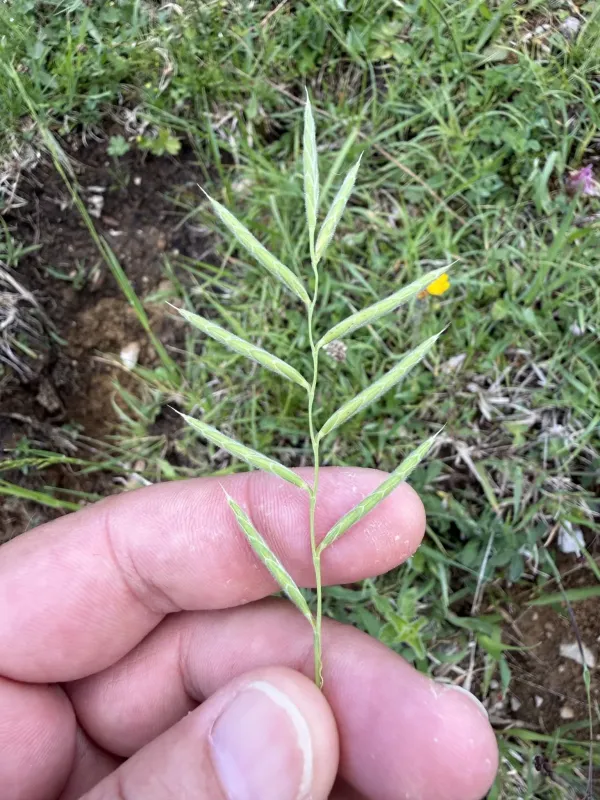
Description
Sowing dates
Tor-grass is a perennial rhizomatous grass species that is rarely grown as a primary field crop but is frequently utilized in the establishment of permanent pastures and meadows. The optimal time for sowing is early spring or late autumn when soil moisture is sufficient to support germination.
When seeding, the material should be placed at a depth of no more than 1–2 centimeters, as the seeds have relatively low germination energy. Specialized grass seed drills are recommended to ensure uniform distribution across the field and to achieve consistent stand density.
In natural habitats, propagation occurs through both seeds and vegetative expansion via rhizomes. In agricultural practice, it is vital to maintain a sufficient planting density to prevent opportunistic weeds from colonizing the field during the early stages of establishment.
Soil rolling after seeding is encouraged to improve seed-to-soil contact and promote rapid emergence. During the first few months, the plant focuses on developing its robust root system; therefore, it is critical to minimize competition from fast-growing weeds during this period.
Tor-grass is often included in grass-legume mixtures to improve soil structure and enhance the nutritional profile of the harvested hay. This combination ensures a balanced diet for livestock and supports the overall vitality of the pasture ecosystem.
Growing requirements
This species belongs to the Poaceae family and exhibits significant plasticity regarding environmental conditions. While it prefers moderately moist soils, it shows remarkable resilience to short-term drought stress due to its deeply penetrating root architecture.
The crop adapts well to calcareous soils, including those derived from chalk or limestone. It thrives across a range of pH levels, though optimal growth is achieved on neutral to slightly alkaline soils that possess good drainage and aeration characteristics.
As a light-demanding plant, tor-grass performs best in open environments. Excessive shading significantly reduces tillering capacity and decreases overall biomass production, which must be considered when selecting field sites for cultivation.
Tor-grass is highly winter-hardy and shows little sensitivity to temperature fluctuations, making it suitable for various climatic zones, including regions with harsh winter conditions. It remains dormant during the cold months and resumes growth quickly in the spring.
For maximum productivity, moderate nitrogen fertilization may be applied, though excessive nutrients can cause lodging. In natural ecosystems, the plant remains highly productive without regular chemical inputs, making it a low-maintenance choice for sustainable agriculture.
Main diseases and pests
Like many graminoids, tor-grass is susceptible to various fungal pathogens. The most common issues include rust and powdery mildew, which can diminish both the yield and the quality of the green biomass if left unmanaged during humid conditions.
Pests, such as cereal flies and stem-boring beetles, may damage young shoots early in the season. Preventive field monitoring is essential, and in cases of severe infestation, authorized insecticides may be utilized to protect the stand integrity.
Maintaining a diverse crop rotation and preventing soil compaction are key strategies to reduce disease pressure. Implementing proper mowing schedules helps maintain a high level of field hygiene and mitigates the risk of pathogen accumulation within the canopy.
Root rot diseases may develop in poorly drained, heavy soils. To prevent this, effective land drainage is crucial, and irrigations should be managed carefully to avoid waterlogging, especially during periods of high atmospheric humidity.
Biological control measures, including the selection of resistant cultivars and maintaining balanced stand density, are preferred strategies. These methods help minimize economic losses from pests and diseases while promoting an environmentally friendly agricultural model.
Harvesting
The optimal harvest window for green biomass is during the heading stage, when the nutritional content of protein and carbohydrates is at its peak. This timing ensures the production of high-quality, palatable hay suitable for various classes of livestock.
Standard hay-making technology, involving mowing and swath curing, is used for processing. It is vital to monitor moisture levels before baling to ensure that the material does not spoil in storage due to the proliferation of mold and other storage fungi.
Under favorable weather conditions and sufficient soil moisture, two cuts per season may be possible. However, intensive harvesting can deplete the plant's rhizome reserves, so sufficient recovery time between cuts is necessary for long-term stand persistence.
When used as pasture, tor-grass shows moderate resistance to grazing pressure. Overgrazing can lead to the thinning of the stand, so a rotational grazing system is highly recommended to maintain ground cover and sustainable forage productivity.
Seed harvesting should be performed as soon as the seeds mature, though uneven ripening can be a challenge. When using machinery, adjustments to combine settings are necessary to minimize grain loss, as the mature spikelets are prone to shattering.