
Narrow-leaf carpet grass
Axonopus fissifolius (Raddi) Kuhlm.
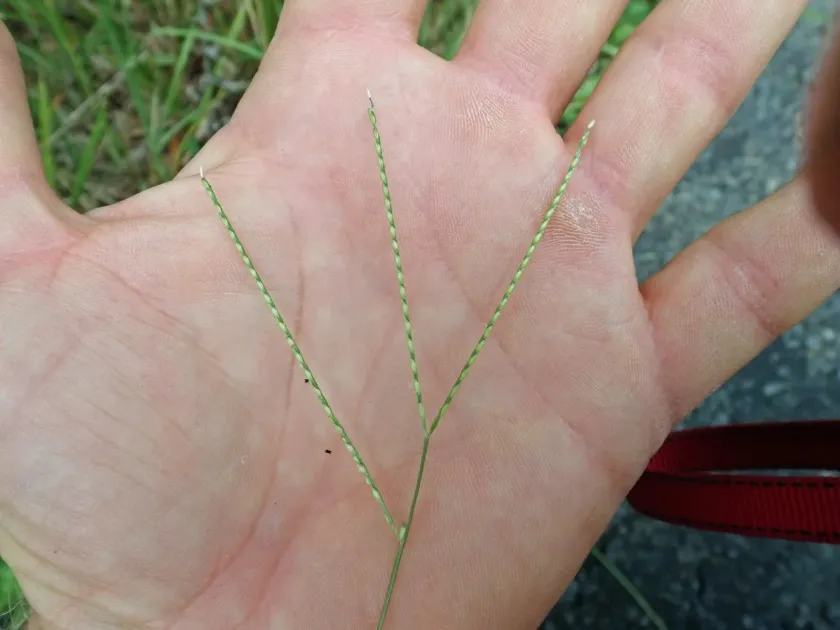
Description
Growing requirements
Narrow-leaf carpet grass (Axonopus fissifolius) is a perennial grass belonging to the Poaceae family. It is widely recognized as a robust forage crop, particularly suitable for moist, acidic soils in tropical and subtropical climates.
The plant spreads via stolons, creating a dense, prostrate turf that provides excellent ground cover. This growth habit makes it highly resilient to heavy grazing pressure and trampling, preventing soil erosion in sensitive areas.
The species is well-known for its adaptation to low-fertility, acidic soils where more demanding pasture species often fail. It thrives in high-rainfall environments, although it demonstrates a reasonable level of drought tolerance once established.
For optimal development, it requires a warm climate with consistent temperatures. While it prefers full sunlight, it is notably shade-tolerant, making it a versatile choice for silvopastoral systems where trees are integrated into grazing lands.
Its primary agricultural use is as permanent pasture. While its crude protein content is moderate, its endurance and ability to persist under sustained grazing make it a valuable asset for cattle production in challenging environments.
Main diseases and pests
The health of narrow-leaf carpet grass stands is mainly threatened by fungal diseases that emerge under conditions of poor drainage or high humidity. Leaf spot and rust pathogens can affect plant vigor if conditions remain wet for extended periods.
Insect pests include various species of lepidopteran larvae and grass-feeding bugs. These pests can damage leaf blades and reduce the overall biomass production of the pasture, affecting livestock weight gain.
Nematodes are known to be a latent threat in lighter, sandy soils. They impact root health, leading to reduced nutrient uptake and making the plants more susceptible to water stress and environmental competition.
Weed encroachment is a challenge during the establishment phase. Because the grass grows relatively slowly at first, early weed management is crucial to allow the stolons to cover the area effectively.
To mitigate these threats, successful farmers use rotational grazing strategies. This practice prevents the accumulation of old, dead forage which provides a breeding ground for diseases and pests, ensuring a fresh and vigorous pasture regrowth.