
Erinus alpinus
Erinus alpinus L.
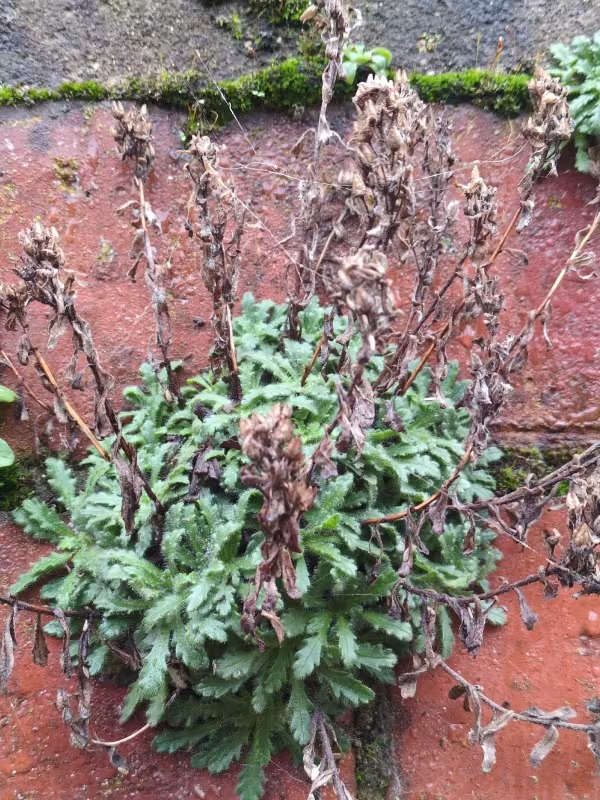
Description
Sowing dates
Sowing Erinus alpinus seeds is best carried out in early spring or during autumn in temperate climates. For garden cultivation, seeds are sown in trays under glass or in prepared well-drained seedbeds outdoors.
The seeds are exceptionally small, which necessitates a surface-sowing technique. They should be pressed gently into the moist compost or soil but never covered with a deep layer of medium, as light is essential for germination.
Germination typically occurs within 2 to 3 weeks when kept at a stable temperature of approximately 18–20 degrees Celsius. Maintaining consistent humidity without soaking the soil is the key to achieving successful seedling emergence.
Once the seedlings are large enough to handle, they should be pricked out and potted into individual containers or spaced out in a nursery bed. This allows the root system to develop adequately before the final planting phase.
Hardening off the seedlings is a critical step before moving them to the permanent site in the rock garden. This transition ensures that the plants are resilient to varying outdoor temperatures and UV exposure.
Growing requirements
Erinus alpinus, belonging to the Plantaginaceae family, is native to the mountainous regions of central and southern Europe. It thrives in conditions that mimic its natural alpine habitat, specifically requiring plenty of light.
Soil structure is paramount for this species; it demands a light, gritty, and free-draining substrate. It shows a preference for alkaline or neutral soils, making it an ideal candidate for limestone-based rock gardens or crevice planting.
The plant is considered hardy and can withstand low winter temperatures effectively. However, in regions prone to frost heaving, a thin layer of grit or protective covering around the base is advisable to maintain root stability.
Watering requirements are moderate. During dry spells, the plant benefits from regular hydration, but it is sensitive to waterlogged soil. Good drainage must be prioritized to prevent crown rot, which is the primary killer of the plant.
Minimal fertilizing is necessary, as over-rich soils often lead to floppy, overgrown foliage and reduced flowering. A small application of slow-release mineral fertilizer in early spring is usually sufficient for robust growth.
Main diseases and pests
Crown rot is the most significant threat to Erinus alpinus. It is almost always a result of poor drainage or high humidity around the root collar, particularly during the transition from winter to spring.
Slugs and snails are frequent pests that target the foliage of young plants. Setting up barriers like copper tape or using iron phosphate-based slug pellets can provide effective protection for established plantings.
Aphids may occasionally infest the stems during the flowering period, causing stunted development. If necessary, a mild insecticidal soap application can manage the pest population without damaging the delicate plant structure.
Fungal issues such as leaf spot can occur when there is poor air circulation. Planting in an open, breezy spot and spacing plants properly are the best preventive measures against these pathogens.
Regular sanitation of the rock garden, including the removal of dead plant parts and debris, significantly reduces the likelihood of disease outbreaks and keeps the display tidy throughout the growing season.