
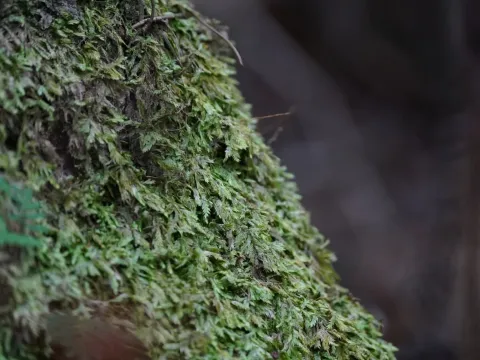
Isopterygium
Isopterygium
Isopterygium is a genus of mosses belonging to the Hypnaceae family. Known for its delicate appearance, this plant is frequently utilized in professional aquascaping and specialized terrarium projects due to its ability to create lush, carpet-like layers.
What the section contains
Isopterygium
The botanical structure consists of creeping stems with small, lanceolate, and often glossy leaves. Its growth habit is typically prostrate, allowing it to adhere to various surfaces such as rocks, wood, or moist soil substrates, provided there is adequate moisture.
The species thrives in cool to moderate temperature ranges, ideally between 18 and 24 degrees Celsius. It requires high relative humidity to maintain its metabolic functions, as the leaves are thin and prone to rapid desiccation if exposed to dry air.
Regarding light, Isopterygium prefers shaded or semi-shaded environments. Direct solar radiation causes bleaching and photo-inhibition, which significantly slows down vegetative expansion and can lead to the death of the moss colony.
Soil or substrate requirements focus on maintaining a slightly acidic pH and ensuring efficient drainage. Over-saturation that leads to stagnant water must be avoided to prevent the development of anaerobic conditions around the rhizoids.
Fungal infections represent the primary threat to Isopterygium cultivation. These are usually triggered by poor air circulation combined with excessively high moisture levels, leading to the formation of grey mold that spreads quickly across the moss mat.
Microscopic pests, such as soil mites and springtails, can occasionally infest moss patches. While not always fatal, these organisms cause visible damage to the leaf tissue, leading to a loss of vigor and increased susceptibility to secondary infections.
In aquatic or semi-aquatic setups, competitive algae are the most significant nuisance. Rapidly growing thread algae can easily overwhelm the Isopterygium, shading it out and competing for nutrients, which requires careful management of water chemistry.
Chemical sensitivity is a hallmark of this genus. The plant is highly reactive to high concentrations of minerals and heavy metals, which often result in tissue necrosis. Utilizing purified water is essential for successful, long-term maintenance.
Mechanical stress during maintenance can be detrimental to the moss's structural integrity. Because of its fragile growth, excessive handling or physical disturbance should be minimized to allow for optimal density and overall plant health.