
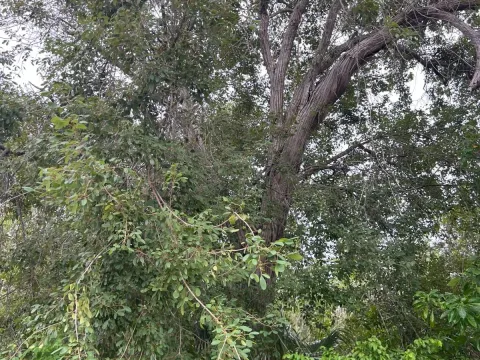
Picrodendron
Picrodendron
Picrodendron is a genus of evergreen trees belonging to the Picrodendraceae family, native primarily to the tropical regions of the Caribbean basin.
What the section contains

Picrodendron
This plant thrives in dry tropical forests and favors well-drained limestone soils, which defines its natural distribution across islands like Jamaica, Cuba, and Haiti.
Successful cultivation requires consistently high temperatures, as the species is extremely sensitive to cold and cannot withstand any degree of frost.
As a light-loving species, Picrodendron requires abundant sunlight for healthy development, making it essential to avoid overcrowding during the plantation phase.
Agricultural management requires maintaining moderate soil moisture, although the plant shows significant resilience during short dry spells due to its robust root architecture.
The economic value of Picrodendron is largely derived from its fruits, which contain high concentrations of fatty acids, making them a potential source for industrial oil production.
Yield capacity is influenced by tree age and site conditions, necessitating structured harvest management to ensure the stability and quality of the raw produce.
The wood of Picrodendron is known for its remarkable density and durability, historically utilized in regional crafts and small-scale structural applications.
Current research efforts are focused on breeding programs aimed at increasing the oil content of the fruits, which could improve the commercial viability of the crop.
Optimizing plant spacing and nutrition are key agronomic priorities to maximize output while maintaining the ecological balance of the cultivated groves.
The primary threats to Picrodendron crops include fungal pathogens that proliferate under high humidity conditions and stagnant air within the canopy.
Various tropical pests, such as leaf-eating beetles and wood-boring insects, can cause significant stress, reducing the overall vitality of the trees.
Root rot is a major risk factor if soil drainage is compromised, leading to rapid degradation of the root system and plant decline.
Habitat loss and human encroachment pose long-term threats to wild populations, emphasizing the need for sustainable farming practices to conserve the species.
- Ongoing phytosanitary monitoring of tree health.
- Implementation of integrated pest management strategies.
- Strict adherence to soil drainage requirements during site selection.