
Hyaenanche
Hyaenanche
Hyaenanche (Hyaenanche globosa) is a distinctive evergreen shrub or small tree belonging to the family Euphorbiaceae. This plant is a rare endemic species restricted to the mountainous regions of the Western Cape province in South Africa.
What the section contains

Hyaenanche
The species thrives in specific environmental conditions, preferring dry, rocky slopes and well-drained, sandy soils. It is a highly light-demanding plant that requires full sun exposure to complete its life cycle and produce seeds successfully.
Climatic preferences include a Mediterranean climate characterized by cool, wet winters and warm, arid summers. Hyaenanche is remarkably drought-tolerant, exhibiting physiological adaptations typical of the succulent-rich vegetation of the region.
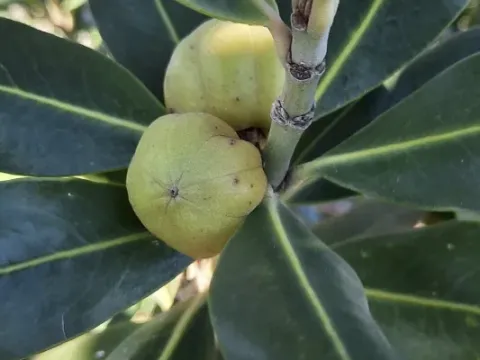
Botanically, it is recognized by its leathery, persistent leaves and unique globose fruits. The entire plant, especially the seeds, contains potent toxic compounds that serve as a chemical defense mechanism against herbivores.
Agricultural utility is strictly limited due to the extreme toxicity of the plant. Historically, the ground seeds were used as a local predator poison, but today the species is primarily valued for its ecological importance and biological research potential.
The primary threats to Hyaenanche populations are habitat fragmentation and ecological shifts. In its native range, fire frequency and intensity are critical factors that influence the survival of the shrub and its ability to regenerate.
Pests are generally not a significant concern in the wild because of the plant's toxicity. Few insects can tolerate the chemical compounds found in the leaves, which naturally protects the foliage from heavy browsing and damage.
Diseases are mostly related to improper growing conditions in experimental cultivation. Root rot is a common issue when the plant is exposed to excessive soil moisture or poor drainage, which can be fatal for the woody tissue.
Anthropogenic disturbances, such as land clearing or livestock grazing, pose a serious risk to young seedlings. Given the slow growth rate of the species, recovery from such mechanical damage is exceptionally difficult for the population.
Conservation efforts are currently focused on monitoring the health of existing populations in protected areas. Protecting these plants from human interference is essential to ensure the long-term survival of this rare and chemically complex species.