
Petalostigma
Petalostigma
Petalostigma is a genus of shrubs and trees belonging to the Phyllanthaceae family. Native primarily to the tropical and subtropical regions of Australia, these plants are well-adapted to the specific environmental pressures of the Australian landscape.
What the section contains

Petalostigma
The plant thrives in well-drained, nutrient-poor soils and is often found in open forests and savannas. Its ability to withstand prolonged drought is a key biological feature, allowing it to survive in areas where rainfall is seasonal and inconsistent.
Climate requirements include high solar radiation and consistently warm temperatures throughout the year. The species is highly intolerant to frost, which limits its geographical range to frost-free or mild-climate zones suitable for tropical flora.
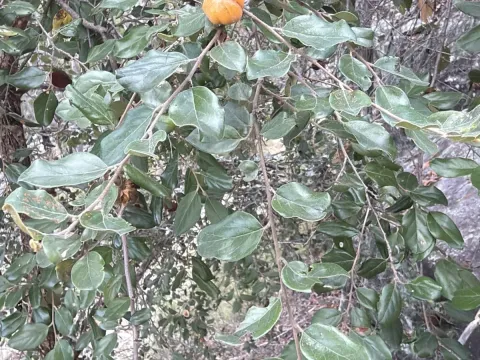
Botanically, Petalostigma is characterized by its thick, leathery leaves which minimize transpiration. The reproductive structures are unique, featuring woody capsules that typically split open upon maturity, aiding in the dissemination of seeds within the ecosystem.
Cultivation practices focus on mimicking the natural habitat conditions. Good aeration of the substrate is vital, as the root system is prone to rot in waterlogged conditions, making elevated or sloped sites ideal for commercial or residential planting.
The economic utility of Petalostigma is largely centered on its pharmacological potential. Traditionally, indigenous populations utilized the bark and fruit for their medicinal properties, often referred to as a substitute for quinine due to bitter alkaloid content.
Modern applications explore the use of plant extracts in natural pest control and as active ingredients in topical pharmaceutical preparations. The presence of specific phytochemicals makes it a candidate for further chemical screening and potential extraction.
While not a major commercial crop, Petalostigma is gaining interest in the landscaping industry for xeriscaping. Its low maintenance requirements and drought tolerance make it an environmentally friendly choice for ornamental plantings in arid regions.
Pest management is generally minimal due to the plant's natural chemical defenses. However, in dense agricultural settings, common nursery pests like scale insects or mites may occasionally affect the overall vitality of young plants if stressed.
Harvesting strategies vary depending on the end goal, whether it is for biomass or seed collection. Yields are currently optimized by harvesting mature capsules before they naturally dehiscence, ensuring maximum seed quality for nursery propagation.