
Piranhea
Piranhea
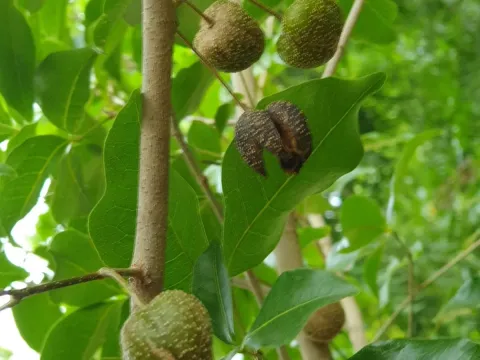
Piranhea is a genus of plants belonging to the Phyllanthaceae family. These trees are native to the tropical regions of South America, thriving in specific forest ecosystems.
What the section contains
Piranhea
The culture requires a humid tropical climate to reach its full growth potential. Consistent temperatures and high annual rainfall are essential for the physiological health of the trees.
Soil requirements focus on fertility and drainage. The plant is sensitive to waterlogging, necessitating well-drained loamy or sandy soils to prevent root diseases.
Agrotechnical practices involve careful management of saplings, which benefit from canopy protection during their initial development phases against harsh sunlight.
Density management is crucial for timber production. Planting spacing must be calculated to optimize crown growth and trunk quality in plantation environments.
The primary economic use of Piranhea is its high-quality timber. The wood is recognized for its density, durability, and resilience, making it a valuable resource for industry.
Harvesting operations are typically conducted with sustainable forest management practices. Selective logging ensures the long-term viability of the tree population.
Post-harvest processing requires precision in drying to avoid structural defects. The wood is often utilized for high-end carpentry, construction, and specialized tool manufacturing.
Quality control standards are strictly applied to exported timber to meet international market requirements for hardness and grain uniformity.
The economic cycle of Piranhea cultivation is long-term, requiring patience and stable management. Proper investment in the plantation cycle yields significant returns.