
Petalostigma pubescens
Petalostigma pubescens
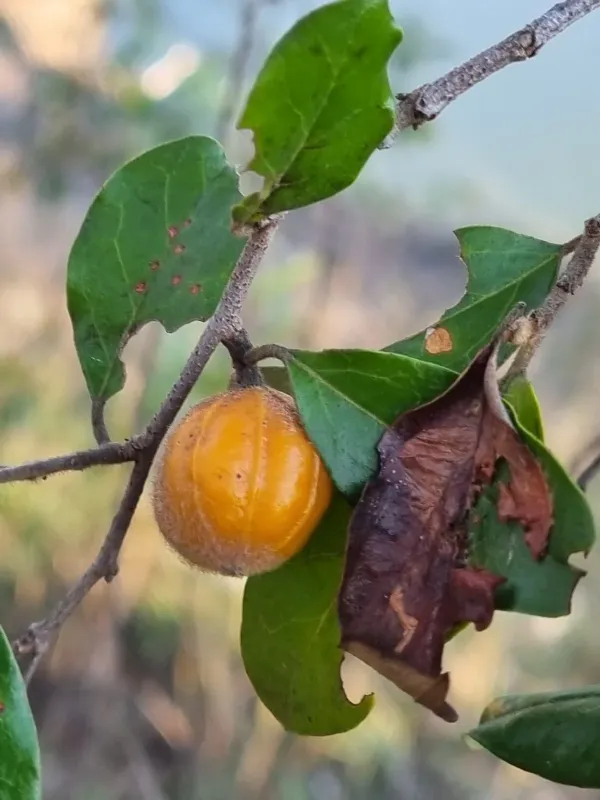
Description
Growing requirements
Petalostigma pubescens, commonly referred to as the quinine tree, is a species of small tree or shrub belonging to the Phyllanthaceae family. It is native to the northern and eastern parts of Australia, thriving in varied habitats ranging from tropical forests to open eucalypt woodlands.
This species is highly adapted to sandy and well-drained soils, showing significant resilience to drought and heat stress. Its physiological mechanisms allow it to endure seasonal environmental fluctuations typical of the Australian savanna, including occasional wildfire events.
Botanically, the plant is characterized by its distinct hairy leaves, which serve to minimize water loss through transpiration. It produces small, brownish-orange, citrus-like fruits containing seeds that are dispersed when the capsule splits at maturity.
In terms of agricultural and practical application, the bark and fruits of the plant have been historically utilized by indigenous populations for their therapeutic properties. Compounds such as alkaloids are present in the plant tissues, providing significant interest for pharmacological research and natural medicine.
Cultivation requires careful attention to soil drainage and sun exposure. When grown outside of its native range, it is essential to ensure a regime that mimics its natural growth cycle, avoiding waterlogging at all costs to prevent root zone decay.
Main diseases and pests
The primary threats to Petalostigma pubescens involve fungal diseases, particularly root rots triggered by excessive soil moisture and poor drainage. Ensuring a porous substrate is vital to preventing the onset of lethal fungal infections.
Pests such as scale insects and various leaf-chewing larvae can impact tree health. Integrated Pest Management (IPM) practices, including mechanical removal and biological controls, are recommended over broad-spectrum chemical interventions.
Leaf-spotting pathogens may develop in conditions characterized by stagnant air and high humidity. Proper spacing between trees is crucial to promote airflow and maintain the health of the foliage throughout the active growth season.
Nutrient deficiencies, while not an infectious threat, can weaken the plant and make it more susceptible to environmental stressors. Periodic monitoring of soil pH and mineral content is recommended for healthy growth.
Maintaining a clean cultivation environment by removing debris and practicing regular sanitary pruning helps significantly in preventing the accumulation of pathogens and ensures the long-term vitality of the specimens.