
Uapaca bojeri
Uapaca bojeri Baill.
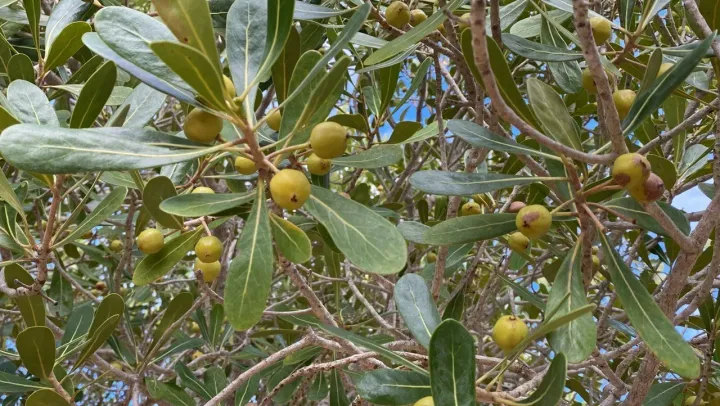
Description
Sowing dates
Uapaca bojeri is primarily propagated through seeds, which require specific moist and warm conditions to germinate. The seeds are well-adapted to the forest floor environment typical of their native Madagascar habitats.
In nursery settings, stratification is often used to ensure uniform germination rates. Seeds are sown into well-draining, nutrient-rich substrates that mimic the natural organic matter of forest soils.
Transplanting seedlings into the field is most successful at the start of the rainy season. This timing provides the necessary soil moisture for the young root systems to establish themselves before the onset of the drier months.
Space management is vital for the health of the trees. A planting distance of at least 5 to 7 meters is recommended to allow for adequate canopy development and to prevent overcrowding in plantation settings.
Young trees require protection from direct, intense sunlight during their first year. Gradually acclimating them to full sun exposure is a standard practice to ensure long-term vitality and resilience.
Growing requirements
As a member of the Phyllanthaceae family, Uapaca bojeri is highly adapted to tropical climates with distinct wet and dry cycles. It is a signature tree species of the Madagascar highlands, thriving in specific ecological niches.
The plant is remarkably hardy, capable of growing in poor, acidic, and rocky soils. This tolerance makes it an excellent candidate for the restoration of degraded landscapes and sustainable forestry projects.
Proper drainage is the most critical environmental requirement for the cultivation of Uapaca bojeri. Waterlogged conditions can lead to root rot, so choosing elevated sites or slopes is essential for healthy growth.
The species prefers temperatures between +20°C and +30°C. While it is robust, it is highly sensitive to frost and extreme cold, which can cause significant physiological damage or lead to the plant's death.
Full to partial sunlight is necessary for optimal canopy formation. Trees receiving sufficient light exposure exhibit a more vigorous growth pattern and higher reproductive potential compared to those in shaded areas.
Yield
The yield of Uapaca bojeri depends heavily on the maturity of the tree and its growing conditions. Mature trees produce significant quantities of edible fruits, which are an important food source for local communities.
The fruits are small, nutrient-dense berries with a pleasant, sweet flavor. They are widely utilized in traditional diets and can be processed into various beverages, jams, and other food products.
A single mature tree can yield several dozen kilograms of fruit per season. Harvesting is conducted manually by local farmers who monitor the fruit for signs of physical maturity and optimal sweetness.
In addition to food production, the wood of Uapaca bojeri is highly valued for its durability and resistance to rot. It is frequently used in traditional construction and local craft industries.
The tree also plays a vital role in agroforestry by preventing soil erosion on steep slopes. Its extensive root system stabilizes the soil, making it a critical component for sustainable land management.
Main diseases and pests
The primary health threats to the trees include fungal pathogens that attack the root system, often exacerbated by poor drainage and excessive soil moisture during the rainy season.
Insect pests, including wood-boring beetles and various leaf-eating insects, can impact the growth rate and overall health of the trees. Regular monitoring is essential to keep pest populations at manageable levels.
Human activities, particularly deforestation and unsustainable harvesting practices, remain the largest threats to the species' populations in their natural wild habitats.
Nutrient deficiency may manifest as leaf chlorosis, especially in very poor soils. Applying balanced organic fertilizers can help restore necessary mineral levels and boost the tree's health.
- Root rot triggered by poor soil aeration.
- Stem damage caused by wood-boring beetle larvae.
- Competition from aggressive invasive weeds.
- Physical damage from strong tropical winds.