
Cleyera japonica
Cleyera japonica Thunb.
Description
Growing requirements
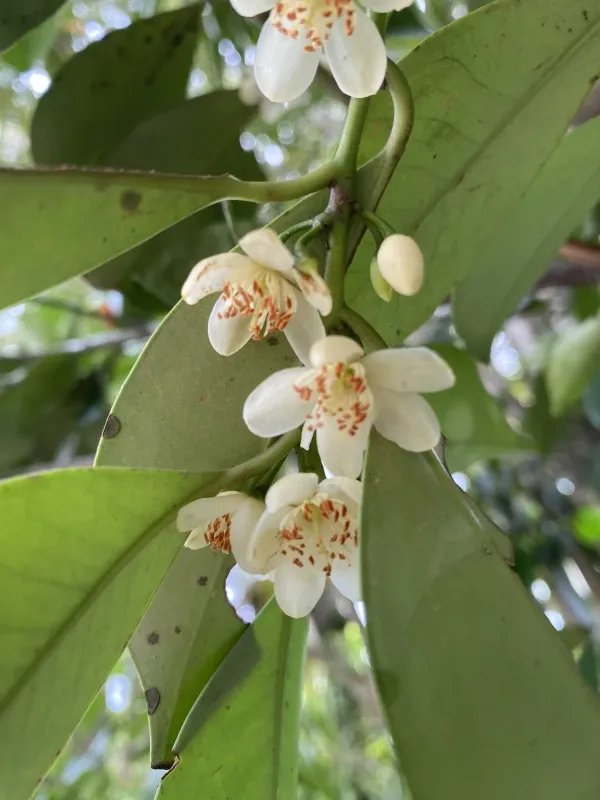
Cleyera japonica (Thunb.) is a prominent evergreen shrub belonging to the Pentaphylacaceae family. Native to East Asia, it is highly valued for its dense, glossy dark-green foliage and upright growth habit, which makes it an excellent choice for ornamental landscaping.
This plant thrives in subtropical climates that offer consistent humidity and protection from harsh, drying winds. While it is hardy in many zones, it prefers cool, temperate conditions and generally requires protection from extreme winter frosts to maintain its health and aesthetic value.
Cultivation success relies heavily on soil conditions. Cleyera japonica requires well-draining, acidic soil rich in organic matter. Soil compaction or waterlogging is highly detrimental to the plant, often leading to root rot, so proper site selection and soil amendment are critical.
Light requirements for Cleyera japonica are flexible, though it grows best in partial shade. While it can tolerate deeper shade, it may become leggy; conversely, intense midday sun can scorch the leaves. Dappled sunlight or morning sun with afternoon shade is the ideal balance.
Maintenance involves regular pruning, which the plant tolerates exceptionally well. This makes it a staple for topiary and formal hedge creation. During the growing season, a balanced fertilizer application and consistent moisture levels will promote vigorous shoot development and leaf luster.
Main diseases and pests
The primary pests affecting Cleyera japonica include scale insects and mealybugs, which tend to congregate on the undersides of leaves or along stems. Management involves physical removal of small infestations and the application of horticultural oils for larger outbreaks.
Fungal issues, such as root rot and leaf spot, are primarily associated with poor drainage and high ambient humidity. Improving site aeration, avoiding overhead irrigation, and applying preventative fungicides are recommended strategies to maintain a healthy stand of plants.