
Tetrapathaea tetrandra
Tetrapathaea tetrandra
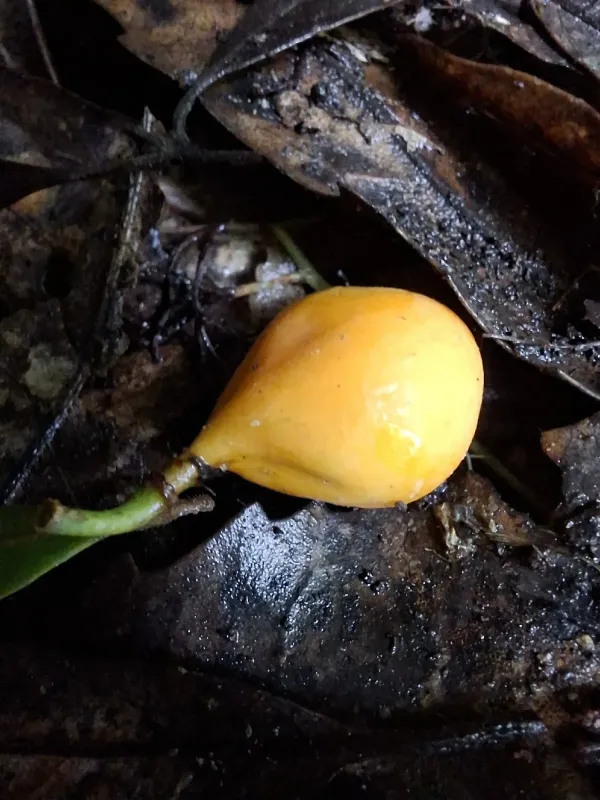
Description
Sowing dates
Propagation of this culture is most commonly achieved through seed sowing or stem cuttings. Seeds require a period of stratification to increase germination energy, usually conducted for one month under cool temperatures.
Sowing is performed in a well-drained, humus-rich substrate at a depth of no more than 1 centimeter. The optimal temperature for seedling emergence is between 20 and 22 degrees Celsius with consistent moisture levels.
For vegetative propagation, semi-hardwood cuttings taken at the end of the active growth period are used. They are planted in a light mixture of sand and peat, ensuring high air humidity for successful rooting.
Transplanting young plants to an open area or greenhouse should only occur after the risk of spring frosts has passed. The plant is extremely sensitive to sudden temperature fluctuations in its early stages.
To ensure active growth, it is necessary to provide sturdy trellises or supports. The culture displays vigorous growth habits, necessitating sufficient space for the development of stems and foliage.
Growing requirements
Tetrapathaea tetrandra is an endemic New Zealand vine belonging to the Passifloraceae family, often referred to as the New Zealand passion flower. The plant prefers well-lit locations sheltered from strong, cold winds.
Soils for this culture must be neutral or slightly acidic, with high permeability for both water and air. Waterlogging in the root zone is detrimental, making proper drainage an essential prerequisite for its agronomy.
The plant has moderate moisture requirements but benefits from regular irrigation during the active growing season. During hot summer weather, mulching the root zone is recommended to prevent soil overheating.
This species does not possess high frost resistance, so in temperate climates, it is predominantly grown in greenhouses or winter gardens. The minimum safe temperature for wintering adult plants is approximately 5–7 degrees Celsius.
For intensive development, the plant requires periodic fertilization with complex nutrients high in potassium and phosphorus. Applying fertilizers during the flowering phase is crucial for stimulating fruit set.
Main diseases and pests
The primary issues during cultivation stem from fungal diseases of the root system caused by excessive soil moisture. Phytophthora infection can rapidly lead to the wilting of the entire above-ground part of the vine.
Pests such as spider mites and scale insects pose a threat, particularly when cultivated in closed environments with low air humidity. Systemic insecticides and acaricides are effective for managing these infestations.
Aphids can colonize young shoots and buds early in the season, depleting the plant's resources and inhibiting overall growth. Regular visual inspection of foliage allows for the early detection of insect populations.
Non-infectious conditions include chlorosis, typically triggered by a deficiency in micronutrients or an incorrect soil pH level. Adjusting pH and utilizing chelated iron forms can quickly rectify the plant's condition.
Strict adherence to sanitary pruning rules is vital for preventing the spread of pathogens. Removing dead or damaged plant material significantly lowers the risk of environmental infection accumulation.