
Piriqueta cistoides
Piriqueta cistoides
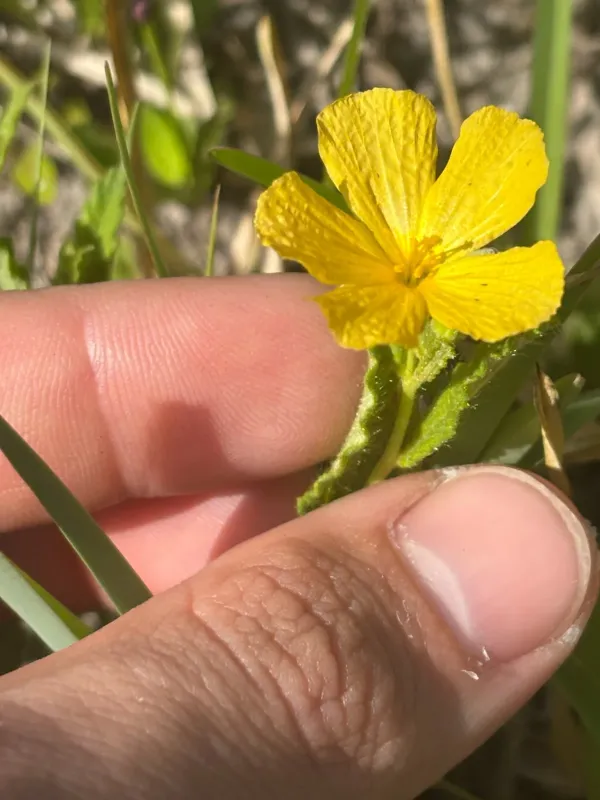
Description
Growing requirements
Piriqueta cistoides is a notable member of the Turneraceae family. This perennial herb is native to the tropical regions of the Americas, where it thrives in diverse open habitats, including grasslands and sandy clearings.
The plant demonstrates a strong preference for well-drained, sandy, or loamy soil types. It is an heliophilous species, meaning it requires significant exposure to direct sunlight for optimal growth and flowering performance.
Climatic requirements are strictly tropical, as the species is highly sensitive to frost. In non-tropical regions, it is primarily managed in greenhouses or as a seasonal container plant to avoid damage from cold temperatures.
Watering management is crucial for this crop. While it can withstand short periods of drought, consistent moisture is required during the active growing phase to maximize plant health and biomass production.
Historically, Piriqueta cistoides has been utilized for various traditional medicinal purposes in its native ranges. Its chemical profile makes it a subject of interest for phytochemical research in modern botany.
Main diseases and pests
Cultivation of Piriqueta cistoides can be challenged by fungal pathogens if humidity levels remain too high. Root rot is a common issue encountered in poorly ventilated growing environments with stagnant water.
Insect pests, specifically aphids and spider mites, pose a significant risk to the plant's vitality. These pests settle on the underside of the leaves and extract vital nutrients, causing yellowing and stunted development.
Integrated pest management, including the use of neem oil or insecticidal soaps, is effective in controlling these infestations without severely impacting the plant's delicate tissues.
Maintaining good hygiene in the greenhouse, such as removing fallen leaves and ensuring proper spacing between plants, is essential to prevent the spread of diseases and pests.
Soil quality control is also a preventative measure. Ensuring the substrate is sterile and has adequate drainage helps prevent soil-borne pathogens from attacking the root systems of the plants.