


Reference · Crops
Yellow rattle
Rhinanthus L.
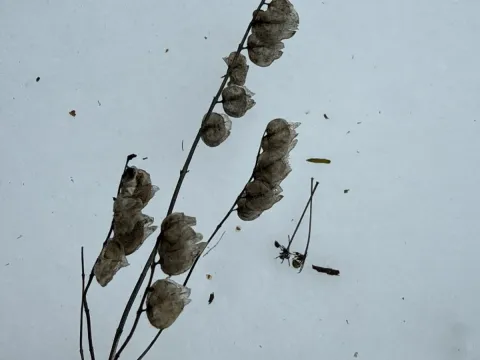
Yellow rattle is an annual plant that synchronizes its germination with the early growth of grasses in spring. The seeds require a period of cold stratification during the winter months to break dormancy.
1
items
What the section contains
Marketplace
Products in this section · 1
Yellow rattle
Germination typically occurs in March or April, depending on soil temperature and moisture levels. Once the seedlings emerge, they quickly seek out roots of host plants to establish a parasitic connection via haustoria.
The life cycle is rapid, reaching maturity and producing seeds by early summer. Timing of management activities is critical, as seeds are shed as soon as they rattle in their pods, typically by mid-summer.
Effective management involves early mowing before the seeds have a chance to mature and scatter. If the seeds are allowed to drop, they will form a persistent seed bank in the soil for future seasons.
Natural seed dispersal is relatively local, primarily occurring when pods are agitated by wind or animals. For agricultural purposes, preventing seed maturation is the primary goal during the spring and early summer.
As a hemiparasitic plant, Rhinanthus species depend on host plants to thrive. They predominantly target grasses, which makes them a significant problem in hay meadows where grass yield is essential.
They prefer moderately damp to well-drained soils. These plants are often found in nutrient-rich habitats where high biomass production of grasses provides ample opportunities for parasitic attachment.
Environmental conditions such as mild winters and moist springs favor the germination and establishment of the species. Conversely, severe summer droughts can significantly reduce the vitality of the plant.
Soil pH preference is generally neutral to slightly acidic. They thrive in open, sunny environments, but can tolerate partial shade, provided that the density of host roots is sufficient for their nutrition.
Management of the nutrient content in the soil is also a factor; lowering soil fertility can sometimes discourage yellow rattle, as it shifts the competitive balance in favor of less aggressive vegetation.
The primary agricultural threat posed by yellow rattle is its competition with fodder grasses. By extracting nutrients and water from host roots, the plant reduces the biomass of the pasture.
There are no significant diseases that specifically target yellow rattle as an effective biological control agent. The plant is robust and rarely succumbs to common fungal or bacterial infections found in agricultural fields.
While some generalist insect pests may feed on the foliage of the plant, they rarely cause enough damage to control the population effectively in a professional agricultural setting.
The most effective strategy against yellow rattle is consistent mechanical control. Cutting the plants back before they set seed ensures that the next generation of weeds is not established.
In cases of heavy infestation, deep plowing can be employed to bury seeds too deep for successful germination. Combining these physical methods with careful monitoring provides the best protection for high-yield meadows.