
Helminthostachys
Helminthostachys
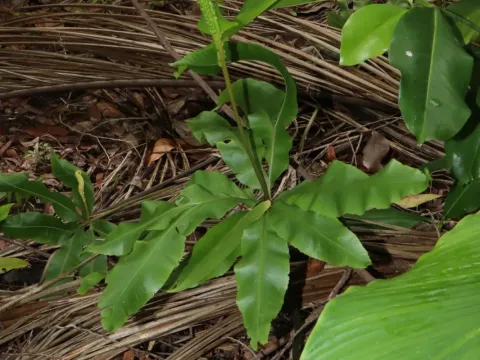
Helminthostachys is a unique genus of ferns belonging to the family Ophioglossaceae. Unlike common ferns, this species is characterized by its fleshy rhizome and distinctive leaf structure that emerges from subterranean buds, reflecting its unique evolutionary adaptation.
What the section contains

Helminthostachys
The plant originates from the tropical rainforests of Southeast Asia, India, and the Pacific islands. Its natural habitat is defined by high humidity, rich organic soil, and a dense forest canopy that provides constant shade throughout the day.
Cultivating this plant requires strict adherence to temperature and humidity conditions. It thrives in tropical climates where the temperature remains consistently warm, typically between 20 and 30 degrees Celsius, with no exposure to frost or cold drafts.
Soil requirements focus on high water retention combined with excellent drainage. The ideal growing medium is a forest-like soil mix, rich in decaying organic matter and slightly acidic to neutral in pH, ensuring the rhizome receives adequate nutrients and oxygen.
The primary economic use of Helminthostachys is in traditional medicine. Various parts of the plant, especially the young rhizomes and fronds, are harvested for their anti-inflammatory and antioxidant properties, often processed into herbal preparations.
The most common threats to the health of Helminthostachys include fungal infections triggered by stagnant water and poor soil aeration. To prevent these issues, it is essential to manage irrigation carefully and maintain a clean environment to avoid soil-borne pathogens.