
Helminthostachys zeylanica
Helminthostachys zeylanica
Description
Growing requirements
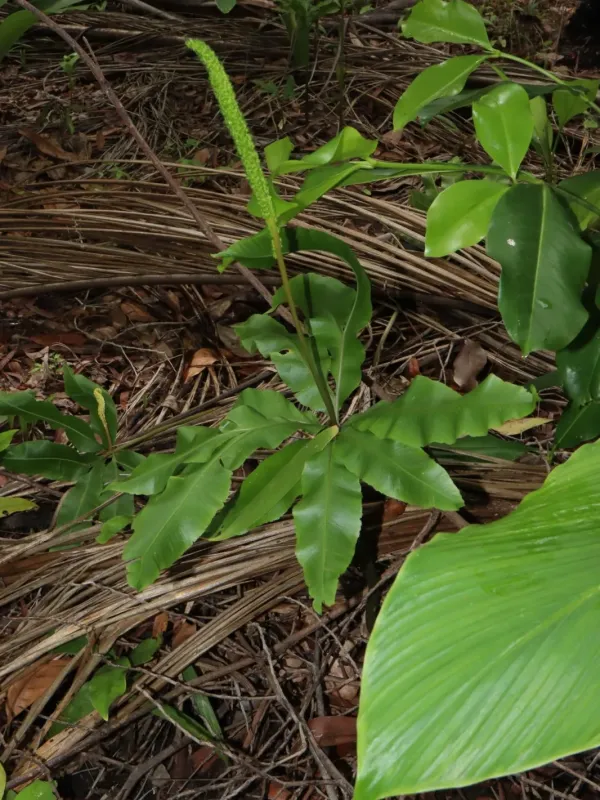
Helminthostachys zeylanica is a unique perennial fern belonging to the Ophioglossaceae family. Known locally as 'kam-chat' in some Asian regions, it is a monotypic genus that thrives in the specific ecological niches of tropical marshes and forest floors across Southeast Asia and Australia.
The plant requires a specialized environment to flourish, characterized by high humidity and consistent moisture. Soil composition must be rich in organic matter, loose, and well-drained, mirroring the nutrient-dense forest soil of its native habitat.
Light intensity is a critical factor for successful growth. As an understory plant, it requires partial to deep shade. Excessive exposure to direct sunlight leads to leaf scorching and rapid moisture loss from the delicate rhizome system.
Climate requirements strictly limit its cultivation to tropical and subtropical zones. The plant demands warm temperatures throughout the year, typically between 22°C and 30°C. Cold sensitivity is extreme, making it unsuitable for cultivation in temperate climates without controlled greenhouse environments.
Agrotechnical management focuses on maintaining the hydric balance. Regular irrigation is required to ensure the soil remains moist but not waterlogged. Mulching is recommended to prevent rapid evaporation from the soil surface and to mimic the natural floor cover.
Harvesting
The rhizomes are the primary harvest target, valued for their traditional medicinal properties. They contain active flavonoids and compounds that exhibit anti-inflammatory effects, making them a subject of interest for pharmacological research and botanical medicine.
Harvesting is typically performed during the non-dormant period. Great care is taken when extracting the rhizomes to prevent damage to the plant's delicate vascular system, which ensures the possibility of future regeneration in managed patches.
In terms of food use, the young fronds are harvested as a leafy vegetable. They are a traditional component of diets in certain Asian rural communities, often prepared through boiling or sautéing to improve texture and flavor profiles.
Post-harvest handling is vital for preserving the chemical integrity of the rhizomes. The harvested material is cleaned, sliced, and dried under monitored conditions to prevent mold formation and the degradation of active botanical compounds.
Current production remains largely small-scale. Sustainable harvesting techniques are promoted to prevent over-extraction from wild populations, as the plant grows relatively slowly compared to common agricultural ferns used for ornamental purposes.