
Phillyrea angustifolia
Phillyrea angustifolia L.
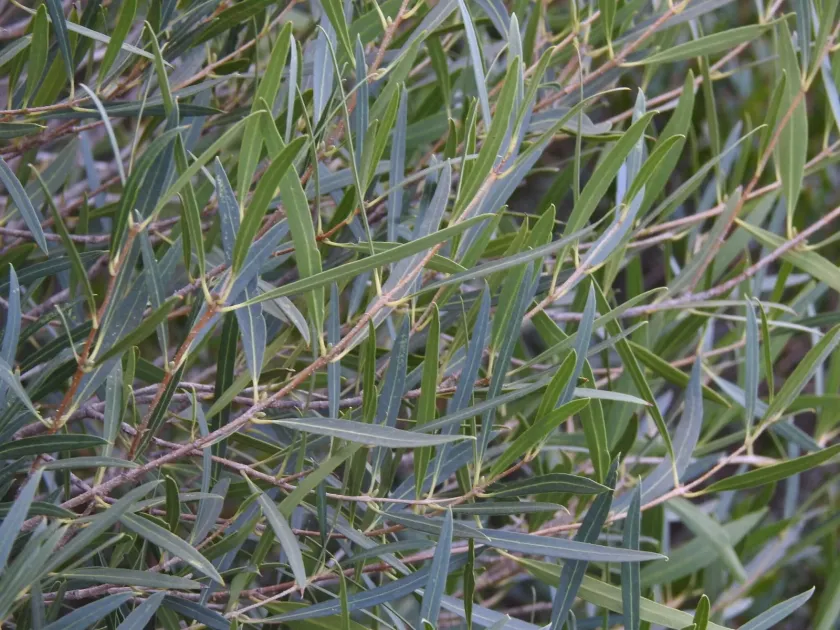
Description
Growing requirements
Phillyrea angustifolia L. is a robust evergreen shrub belonging to the Oleaceae family. Originally from the Mediterranean basin, this plant is well-adapted to coastal and rocky environments, thriving in sun-drenched locations.
The cultural requirements are minimal, as this shrub prefers well-drained, alkaline, or neutral soils. It is notably drought-tolerant once established, making it an excellent choice for low-maintenance landscaping and water-wise gardening.
This species is valued for its narrow, dark green leathery leaves and small, fragrant white flowers that appear in late spring. It is highly adaptable to pruning, allowing gardeners to shape it into hedges, topiary forms, or rounded bushes.
In terms of climate, Phillyrea angustifolia requires a Mediterranean-like environment with mild winters. It can withstand moderate frost but should be protected from harsh, freezing winds that might damage the young foliage.
Its primary use is ornamental; it provides structure and year-round green texture to garden borders. It is also suitable for planting in pots or large containers, provided the substrate is sufficiently porous to prevent root saturation.
Main diseases and pests
Phillyrea angustifolia is rarely bothered by serious diseases. However, poor drainage and high humidity can occasionally lead to root rot. Ensuring adequate soil permeability is the most effective way to prevent these fungal issues.
Scale insects and mealybugs are the most common pests affecting this shrub. These insects can be managed through regular monitoring and the application of horticultural oils or systemic insecticides if infestations become severe.
Occasionally, powdery mildew may develop if the plant is situated in a location with stagnant air. Increasing air circulation through proper pruning significantly reduces the likelihood of such infections during humid seasons.
While aphids might occasionally appear on new, tender growth during spring, they rarely cause permanent damage to a mature shrub. Natural predators like ladybugs are usually sufficient to keep aphid populations in check.
General maintenance, including the removal of dead or crossing branches, serves as the primary defense against pests and diseases. Keeping the base of the shrub clear of debris also helps in maintaining overall plant health.