
Neurada
Neurada
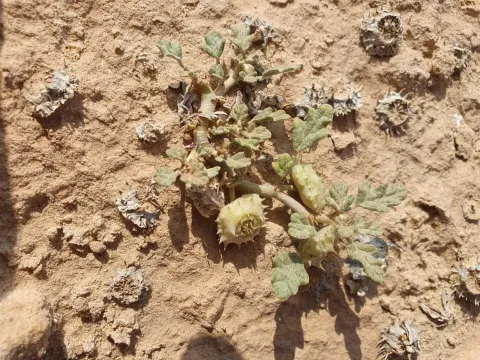
Neurada (Neurada procumbens) is the sole representative of the monotypic family Neuradaceae. It is an annual herbaceous plant perfectly adapted to the extreme conditions of arid zones.
What the section contains

Neurada
In its natural habitat, this plant is found in the deserts of North Africa, the Middle East, and Central Asia. It thrives in sandy soils and dry riverbeds, where it can withstand prolonged periods of drought.
The plant possesses heavily pubescent, prostrate stems that help retain moisture and protect it from intense solar radiation. The leaves feature a distinctive pinnately lobed structure.
The primary agronomic requirement is the availability of well-drained, light soils. Neurada is highly sensitive to excessive moisture and waterlogging in the root zone, which can rapidly kill seedlings.
From an agricultural standpoint, the plant is viewed as a component of grazing ecosystems in arid regions. Despite having spiny fruits, young parts of the plant may be grazed by camels and small ruminants.
In natural conditions, the plant rarely suffers from specific pests due to its high level of adaptation to harsh desert climates.
The main threat to Neurada is competition from more aggressive species if anthropogenic activities disturb the delicate desert ecosystem.
Diseases are rarely recorded in this species, as the extremely dry climate severely limits the development of fungal and bacterial pathogens.
During periods of abnormal rainfall, root rot may occur if the soil fails to provide immediate drainage of excess water.
A crucial factor for survival is the protection of its seed capsules, which have sharp appendages that easily attach to animal fur for efficient dispersal.