
Nephrolepis auriculata
Nephrolepis auriculata
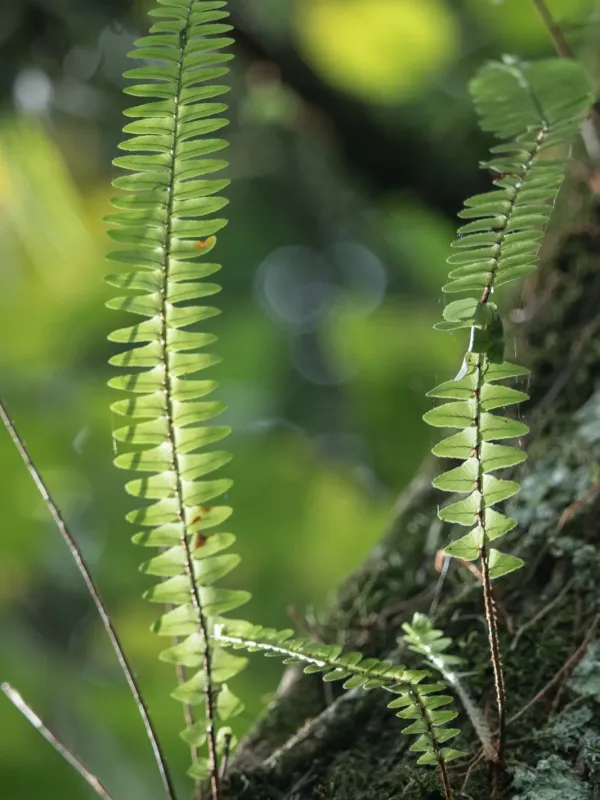
Description
Growing requirements
Nephrolepis auriculata is a prominent member of the Lomariopsidaceae family, commonly recognized as a hardy fern species. Originating from the tropical regions of Asia and the Americas, it has adapted well to controlled indoor environments, making it a staple in the ornamental horticulture industry and residential interior design.
The plant thrives in bright, indirect light conditions. Direct exposure to intense solar radiation can easily scorch its delicate fronds. A consistent temperature range between 18 and 24 degrees Celsius is ideal for active growth, while exposure to cold drafts should be avoided at all costs to prevent foliage damage and wilting.
Regarding soil requirements, Nephrolepis auriculata needs a well-draining, nutrient-rich, and slightly acidic medium. A blend consisting of peat moss, pine bark, and perlite provides the necessary structure to support root health while ensuring optimal moisture retention. Proper drainage holes in the container are non-negotiable for cultivation success.
The standard agronomic practice for this fern emphasizes consistent irrigation using room-temperature water. During the active growth period, monthly liquid fertilization with a diluted, balanced fertilizer is recommended. Maintaining high ambient humidity through regular misting is essential for keeping the fronds lush and vibrant.
Economically, this species is highly valued for indoor phytoremediation. Studies have shown that it effectively reduces indoor air pollutants and increases relative humidity levels in rooms, contributing to a better living and working environment. Its aesthetic appeal makes it a top-tier choice for vertical gardens and hanging baskets.
Main diseases and pests
Typical pests encountered in the cultivation of Nephrolepis auriculata include spider mites, aphids, and scale insects. These pests often infiltrate populations when the microclimate becomes excessively dry. Vigilant monitoring and the application of insecticidal soaps or horticultural oils can control these outbreaks effectively.
Root rot caused by Phytophthora or Pythium species represents the most significant pathological threat to this crop. These diseases are almost exclusively triggered by waterlogged conditions. Growers must prioritize hygiene in the growing space and strictly manage watering schedules to prevent the onset of these devastating soil-borne infections.