
Nile acacia
Acacia nilotica
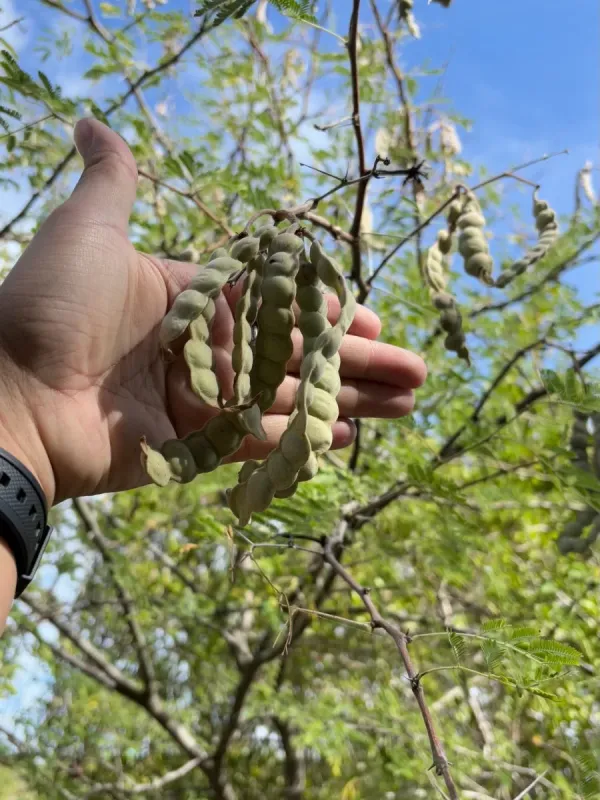
Description
Growing requirements
The Nile acacia (Acacia nilotica) is a medium-sized, drought-resistant tree belonging to the Fabaceae family. It is widely recognized for its ecological importance in arid and semi-arid regions across Africa and the Indian subcontinent.
This species thrives in tropical climates characterized by extreme heat and varying rainfall patterns. It is highly valued for its ability to survive in environments where water availability is limited, owing to its deep taproot system.
The tree is versatile regarding soil preferences, growing successfully in heavy clay, alluvial soils, and even saline conditions. This adaptability makes it an excellent candidate for land reclamation and soil stabilization projects in harsh terrains.
Agricultural management requires careful attention during the seedling stage. Regular weed control and protection from browsing animals are essential for the survival and establishment of young trees in plantation settings.
The tree provides significant economic value through its timber, which is durable and resistant to decay. Additionally, the pods and leaves serve as a nutritious fodder for livestock, making it a critical asset for pastoral communities in dry areas.
Main diseases and pests
The main biological threats include seed-boring beetles that can cause significant damage to stored or unharvested pods. Fungal infections, such as powdery mildew or root rot, may occur if the trees are planted in areas with poor drainage and excessive humidity.