
Starry Mnium
Mnium stellare
Description
Growing requirements
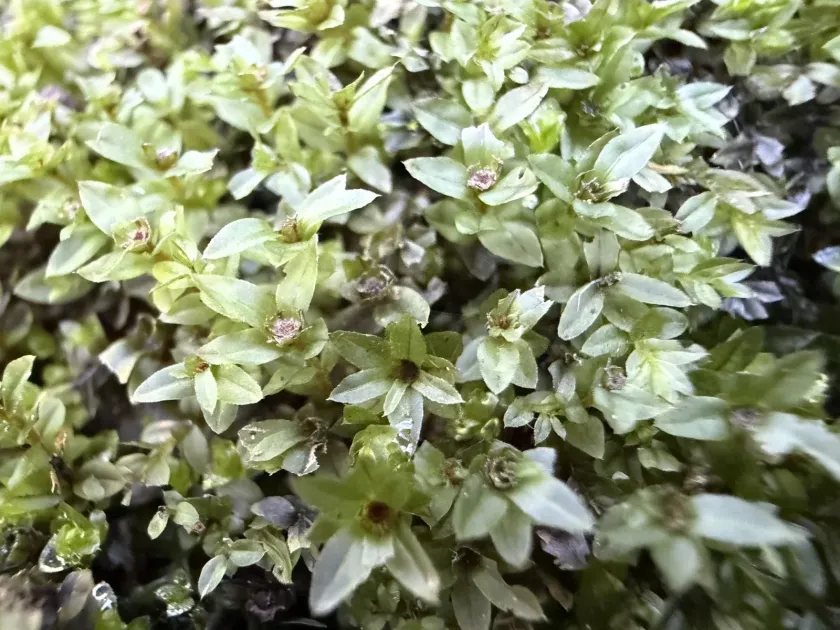
Starry Mnium (Mnium stellare) is a perennial bryophyte belonging to the Mniaceae family. It is widely recognized in botany for its distinct starry-shaped vegetative leaves and its role in moist, shaded forest habitats.
The plant originates from the temperate forests of the Northern Hemisphere, where it thrives on damp forest floors, decaying logs, and shady embankments near streams and water bodies.
To cultivate this species, one must replicate its natural environment: high humidity, deep shade, and a consistent supply of moisture. It does not tolerate direct sunlight, which causes immediate dehydration of the leaf tissues.
The preferred substrate for this moss is rich, organic-based soil that is slightly acidic to neutral. Good aeration is crucial to prevent the development of root-zone pathogens while maintaining the required water retention.
Unlike standard agricultural crops, Mnium stellare is maintained through precise microclimate management. Regular misting or automated irrigation systems are essential to mimic the forest dew and humidity levels.
Main diseases and pests
The primary threat to Starry Mnium is environmental alteration, specifically the reduction of humidity levels and the removal of the protective tree canopy that provides essential shade.
Chemical pollutants are highly detrimental to bryophytes, as they absorb nutrients and water directly through their leaves, making them extremely susceptible to synthetic pesticides and fertilizers.
Pests such as slugs and snails are known to graze on the succulent tissues of the moss, especially in environments where natural predators of these invertebrates are absent.
Fungal infestations can occur if the moss is kept in stagnant, poorly ventilated conditions, leading to patches of necrosis and decay within the moss colonies.
Physical disturbance, including trampling and compaction of the growing surface, destroys the delicate structure of the gametophytes and prevents the normal spread of the moss cushions.