
Melastoma tetramerum
Melastoma tetramerum
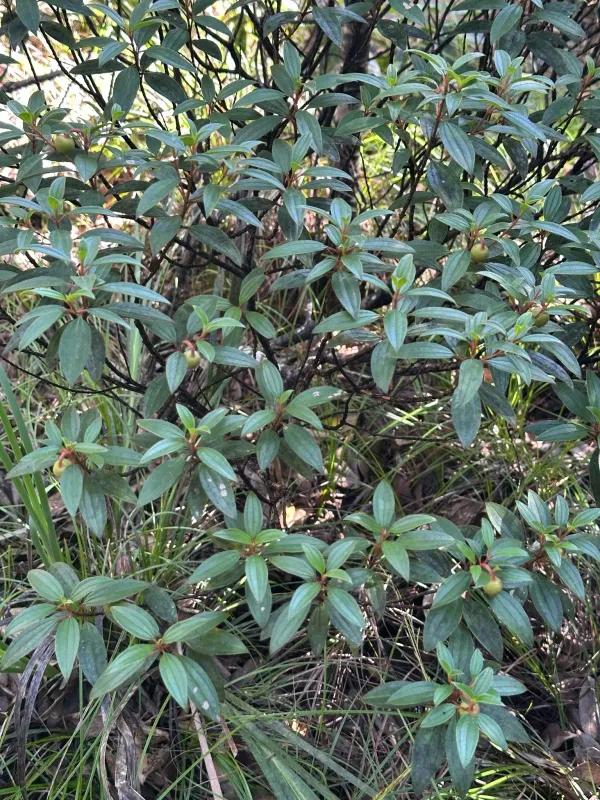
Description
Growing requirements
Melastoma tetramerum is an evergreen shrub that belongs to the Melastomataceae family. This species originates from tropical habitats, where it thrives in environments with high humidity and consistent warm temperatures throughout the year.
The plant is botanically distinguished by its opposite leaves with prominent, parallel-veined venation. The flowers exhibit a distinct four-part structure, which is reflected in the specific epithet, adding significant aesthetic appeal to the plant.
Successful cultivation requires a well-draining, acidic to slightly acidic soil medium rich in organic matter. Proper drainage is essential to prevent root asphyxiation, a common issue in heavier soil types.
The species prefers bright, indirect light conditions. Exposure to direct harsh sunlight can damage the leaves, while insufficient light leads to sparse foliage and a reduction in the number of blooms produced during the season.
Consistent moisture is required for optimal performance. During the growing season, it is recommended to apply a balanced liquid fertilizer to support vigorous growth and continuous flowering, while reducing fertilization during the dormant winter phase.
Main diseases and pests
The primary threats to this plant include fungal leaf spots and root rots caused by poor air circulation and excessive moisture retention in the potting substrate.
Pests such as spider mites, aphids, and mealybugs often target the succulent growth tips, especially in indoor environments where the air is dry and static.
Implementing regular pruning helps maintain good airflow through the canopy, which is an effective strategy for preventing fungal outbreaks and encouraging healthier development.
Integrated pest management should be employed, utilizing soaps or horticultural oils to treat early infestations before they spread to the entire plant structure.
Maintaining a balanced environment with moderate humidity levels is the most effective preventative measure against both pest colonization and physiological disorders.