
Melastoma denticulata
Melastoma denticulata
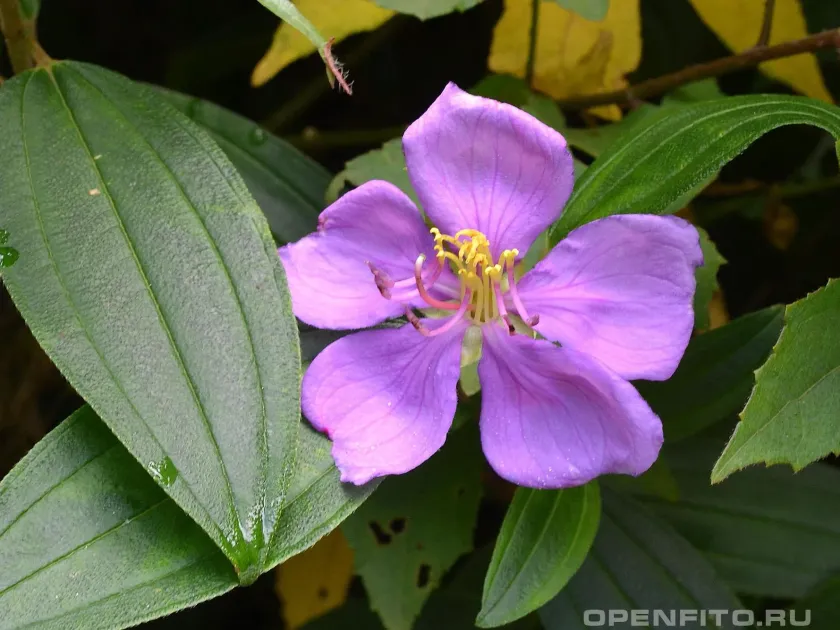
Description
Growing requirements
Melastoma denticulata is an evergreen tropical shrub belonging to the Melastomataceae family. In its natural habitat, the plant is found in the regions of Southeast Asia, thriving in humid tropical forests and open areas with high annual precipitation levels.
Successful cultivation of this species requires specific tropical climatic conditions. The plant prefers consistently high temperatures throughout the year and is highly sensitive to frost, which limits its commercial cultivation to protected environments in temperate regions.
Soil requirements include the use of slightly acidic, well-draining, and fertile growing media. Maintaining consistent soil moisture is essential, while avoiding waterlogging, which can cause root rot and is a critical factor for the overall health of the plant.
Agronomic management involves regular application of balanced mineral fertilizers during the active growing season. The crop requires high light intensity, but some shading may be necessary during peak midday hours to prevent leaf scorch in exposed locations.
The economic use of Melastoma denticulata is primarily focused on ornamental horticulture and landscape design in tropical regions. Due to its striking floral display and unique leaf texture, the species is widely utilized in public park landscaping and private plant collections.
Main diseases and pests
The primary threats to this crop in greenhouse settings include spider mites and mealybugs. These pests thrive in warm, humid conditions, necessitating frequent plant inspections and early pest detection strategies.
Fungal diseases, such as root rot and leaf spot, often develop due to improper watering schedules or inadequate air circulation. Preventive measures include strict adherence to ventilation protocols and ensuring the substrate surface does not remain excessively damp.