
Melastoma candidum
Melastoma candidum
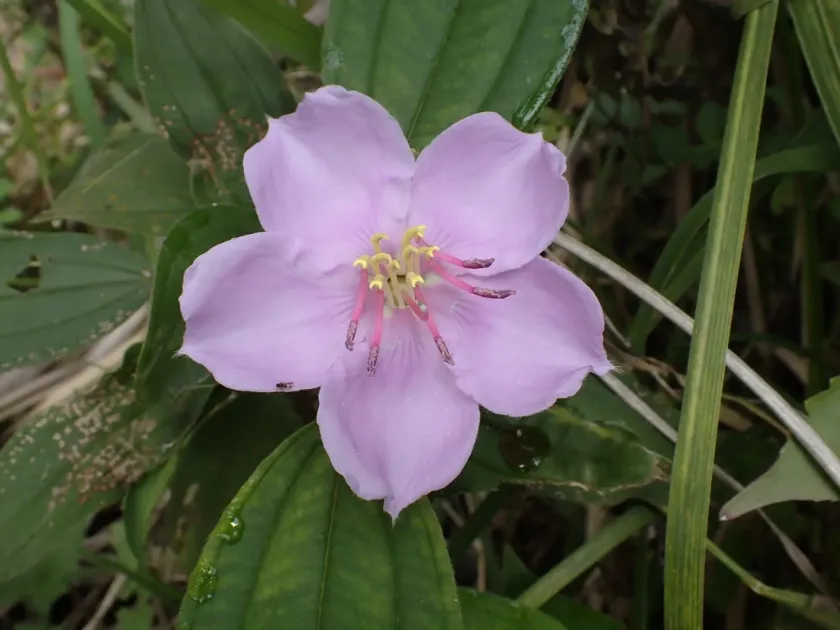
Description
Growing requirements
Melastoma candidum is a perennial evergreen shrub belonging to the Melastomataceae family, native to tropical regions of East and Southeast Asia. The plant is widely recognized for its striking deep-pink to purple flowers and distinctive leaves featuring parallel, prominent veins.
As a tropical species, it thrives in warm, humid climates where frost is completely absent. It requires significant sunlight for optimal flowering, although partial shade during the peak of the midday sun is recommended to prevent leaf scorch and ensure plant vigor.
The ideal soil for this cultivation is acidic, rich in organic matter, and possesses excellent drainage properties. Growers should avoid heavy, waterlogged soils, as the root system of Melastoma candidum is prone to oxygen deprivation and decay if left in standing water.
Agrotechnical maintenance requires consistent moisture levels throughout the growing season. Using mulching around the base can help retain soil moisture and regulate temperature, while regular pruning helps in maintaining a manageable, aesthetic shape for the shrub.
Fertilization should focus on providing microelements and avoiding high-alkaline compounds, as the plant is sensitive to changes in soil pH. Using liquid balanced fertilizers during the active growing phase significantly improves the density of foliage and the duration of blooming cycles.
Main diseases and pests
Common pests affecting this species include spider mites, particularly in low-humidity environments, and mealybugs. Integrated pest management, including regular monitoring and the use of insecticidal soap or horticultural oil, is typically sufficient for control.
Fungal leaf spot diseases may appear during periods of poor air circulation or excessive rainfall. Ensuring that the foliage stays relatively dry and the plant has enough space for airflow are the primary methods for preventing these pathological conditions.