
Heterocentron subtriplinervium
Heterocentron subtriplinervium
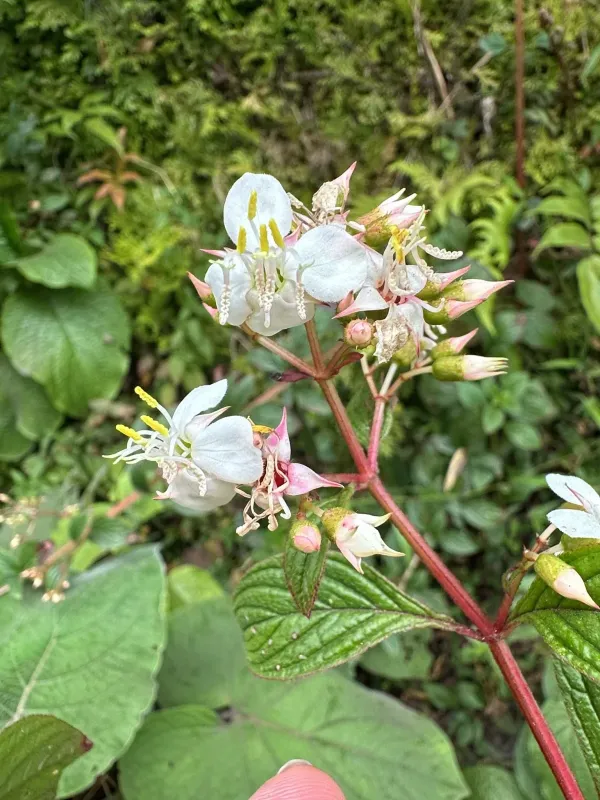
Description
Sowing dates
Propagation of this culture is most commonly achieved through stem cuttings, performed during the spring and summer for optimal rooting.
Seed propagation is less common due to the slow growth rate of seedlings, which require a strictly controlled microclimate to survive and thrive.
Cuttings should be taken from semi-hardwood shoots and placed in a light, well-draining substrate composed of peat and perlite for best results.
In commercial nurseries, adequate spacing between plants must be maintained to ensure proper air circulation and prevent leaf rot development.
Outplanting into permanent containers or garden beds should only occur after the risk of frost has passed, as the plant is highly cold-sensitive.
Growing requirements
Heterocentron subtriplinervium belongs to the Melastomataceae family and originates from the tropical regions of Central America.
The plant prefers bright, indirect light; direct sunlight can easily scorch its leaves, leading to aesthetic damage and physiological stress.
The growing medium must be acidic, loose, and possess excellent drainage properties, as waterlogged soil is fatal to the root system.
Watering should be consistent; however, it is essential to allow the top layer of the substrate to dry out slightly between waterings.
High relative humidity is crucial for this species, with ideal levels ranging between 60% and 70% to ensure vigorous growth.
Main diseases and pests
Spider mites represent a significant threat to this crop, especially in indoor environments where low humidity levels promote their reproduction.
Mealybugs frequently infest leaf axils, sucking plant sap and significantly weakening the host plant's overall vitality and health.
Root rot often occurs as a result of poor management practices, specifically overwatering combined with suboptimal cool temperatures.
Leaf spot diseases may emerge under conditions of poor ventilation, where moisture lingers on the leaf surface for extended periods.
Proactive disease management involves regular plant inspections, quarantine protocols for new specimens, and maintaining balanced environmental conditions.