
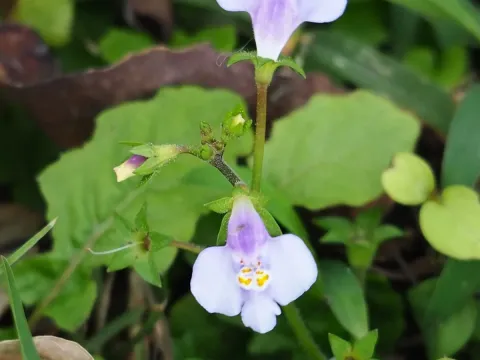
Mazus
Mazus Lour.
Propagation of Mazus is primarily achieved through seeds or vegetative division of established mats. Seeds should be sown in late autumn for winter stratification or in early spring once the soil temperature has stabilized above freezing to ensure optimal germination.
What the section contains

Mazus
When starting indoors, seeds are sown in containers during early March. It is essential not to cover the seeds with soil, as they require light to germinate effectively. The containers should be covered with plastic and kept in a warm, bright environment at about 20 degrees Celsius.
Pricking out the seedlings into individual pots is performed once the first pair of true leaves appears. Providing adequate light during this stage is crucial to prevent the seedlings from becoming leggy and to promote the development of a robust and healthy root system.
Transplanting the hardened seedlings to their permanent outdoor location takes place in late May, ensuring that all danger of frost has passed. Planting at intervals of 15–20 centimeters allows the plants sufficient space to spread and eventually form a dense, uniform carpet.
Vegetative propagation by dividing the clumps is the most efficient method for rapid landscape establishment. Sections with healthy roots will establish quickly if regular irrigation is provided during the first few weeks after they are moved to their new site.
Mazus is a low-growing perennial herb belonging to the Phrymaceae family, widely recognized for its excellent ground-covering capabilities. Originating from Eastern Asia, including China, India, and Japan, this plant has become a popular choice for rock gardens and borders.
The culture thrives in areas with full sun to partial shade. While it tolerates various light conditions, consistent light exposure promotes denser flowering, which is a hallmark of this species, though it requires more frequent watering in hotter climates to prevent wilting.
Optimal growth is achieved in loose, fertile, and well-draining soils. While the plant can adapt to different textures, loam-based soils enriched with organic matter like compost or leaf mold provide the necessary nutrients for vigorous expansion and overall plant health.
Water management is critical as Mazus is sensitive to prolonged drought. Consistent soil moisture is necessary during the growing season; however, waterlogging must be avoided to prevent root rot, particularly in heavier clay soils that lack sufficient drainage layers.
Winter hardiness varies among species, so in colder regions, providing a protective layer of mulch or evergreen boughs is recommended. This cover helps to stabilize soil temperatures and prevents the freeze-thaw cycle from damaging the plant's shallow root system during dormant months.
Mazus is generally robust, but poor drainage can lead to significant issues with fungal pathogens. Root rot is the most frequent problem encountered, typically caused by waterlogged soil and insufficient air circulation around the base of the plant mats.
To minimize disease risk, it is essential to ensure adequate spacing during planting and to remove any debris that could harbor moisture or pathogens. If fungal spots appear, affected foliage should be pruned, and systemic fungicides may be applied if the infection persists.
Spider mites can occasionally infest the plant during hot, dry spells, causing leaf yellowing and reduced vigor. Monitoring the plants regularly allows for early detection, and the use of appropriate acaricides can effectively manage these pests before they cause widespread damage.
Slugs and snails often feed on the tender foliage of Mazus, particularly in humid or rainy climates. Using physical barriers or bait traps is an effective way to protect the integrity of the ground cover and ensure the plants maintain their decorative appearance.
Maintenance and hygiene are the best strategies for disease prevention. By keeping the site weed-free and monitoring for early signs of stress, gardeners can maintain healthy Mazus colonies that persist for many years with minimal intervention required.