
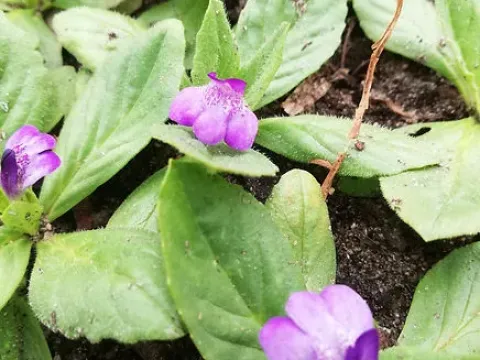
Lancea
Lancea
Lancea is a genus of perennial herbaceous plants belonging to the family Phrymaceae. These plants are native to the high-altitude regions of Central Asia, specifically thriving in the harsh, alpine environments of the Tibetan Plateau.
What the section contains

Lancea
These species are adapted to cool, moist climates with intense sunlight. They are typically found on rocky slopes and mountain meadows where the air is fresh and the soil is naturally well-drained and aerated.
For successful cultivation, Lancea requires a substrate that mimics its natural habitat: stony, gritty, and nutrient-balanced soil. Proper drainage is the most critical factor for survival, as moisture retention in the crown area often leads to decay.
The climate requirements include a distinct seasonal cycle with cold winters. The plants benefit from a dormant period under snow cover, which protects them from extreme desiccation during the winter months.
Agronomically, managing these plants involves careful control of irrigation. Over-watering is the most common mistake, and cultivators should prioritize soil moisture levels that allow for consistent growth without waterlogging.
The primary threats to Lancea populations and cultivated specimens are fungal pathogens, particularly those triggered by poor ventilation and high humidity levels.
Root rot is the most significant disease, usually caused by improper soil structure or stagnant water, leading to the rapid decline of the vascular system in the roots.
Insect pests such as aphids can occasionally infest the foliage during the peak growing season, causing stunted growth and providing entry points for secondary infections.
Gastropods like slugs can be problematic, especially in damp conditions, as they feed on the soft, succulent leaves and stems of young Lancea plants.
Integrated pest management strategies should focus on preventive measures, including regular thinning of plants to improve air circulation and ensuring the growing medium remains free-draining throughout the year.