
Mazus pumilus
Mazus pumilus (Burm. f.) Steenis
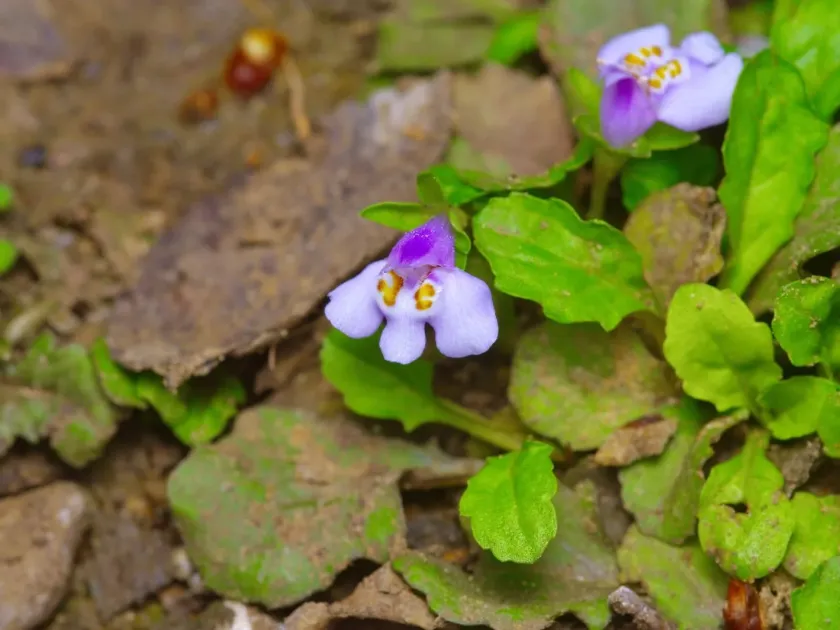
Description
Sowing dates
Mazus pumilus is generally cultivated as an annual herb, requiring strategic sowing timing. Seeds are best sown in early spring, once the danger of frost has passed and the soil begins to warm up.
For greenhouse or indoor starts, seeds should be sown in late March. Use a light, moisture-retentive substrate and place the seeds on the soil surface, as they require light to germinate effectively.
Maintain an ambient temperature of 20–22 degrees Celsius and keep the soil consistently moist until germination occurs, which usually happens within two weeks. Once true leaves develop, seedlings should be carefully pricked out.
Transplanting into the open field is recommended when soil temperatures are stable. A spacing of 15–20 cm allows the plant to spread effectively, forming a dense vegetative mat over the growing season.
Early maintenance is critical for successful sowing. Ensure that the soil remains moist, and weed competition is minimized to prevent the young, delicate seedlings from being overwhelmed during their initial growth phase.
Growing requirements
Belonging to the Phrymaceae family, Mazus pumilus is native to parts of Asia, including Japan, China, and India. It is highly valued for its ability to create dense, low-growing ground cover in appropriate climatic zones.
The plant thrives in moist, well-draining soils rich in organic matter. It prefers a pH level ranging from neutral to slightly acidic, which supports optimal nutrient uptake and vigorous vegetative expansion.
Regarding light, Mazus pumilus performs best in full sun to partial shade. Excessive shade can lead to leggy growth and fewer flowers, while insufficient moisture in full sun may cause leaf burn and stunted development.
Water management is the most critical aspect of its cultivation. The species is sensitive to drought and requires regular irrigation to maintain turgor pressure in its stems and leaves throughout the growing season.
Agricultural management includes occasional fertilization with balanced NPK compounds to encourage continuous flowering. Given its spreading habit, it is also effective for erosion control in moist, slightly sloped areas.
Main diseases and pests
The primary threats to Mazus pumilus include fungal pathogens, particularly when plants are grown in poor-draining soil or conditions with low airflow. Root rot and leaf spot are common issues in overly wet environments.
Slugs and snails represent significant pests that feed on the soft, succulent foliage. These mollusks can cause extensive damage to young mats, necessitating the use of biological or chemical barrier treatments.
Aphids can infest the tender terminal shoots, weakening the plant by sucking sap. Early detection and the application of systemic or contact insecticides are typically sufficient to control these populations.
Spider mites are a nuisance in hot, dry conditions. They suck moisture from the leaves, causing a stippled, yellowish appearance. Increasing humidity and regular overhead watering can act as an effective deterrent.
Chlorosis, usually induced by nutrient deficiencies or suboptimal soil pH, can affect the overall vigor of the plants. Regular monitoring of leaf color and soil quality is essential for preventing these systemic physiological disorders.