
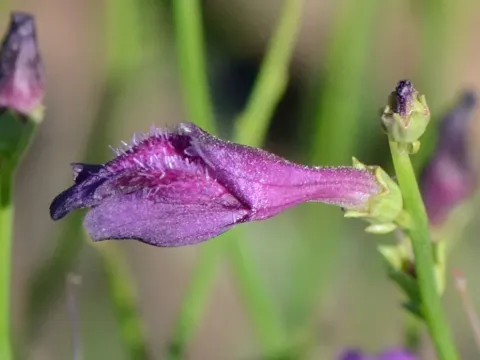
Dodartia orientalis
Dodartia
Dodartia orientalis is a plant species that reproduces primarily through seeds. Sowing is typically performed during early spring to allow the plant to establish its root system before the onset of extreme summer heat.
What the section contains

Dodartia orientalis
The seeds are notably small, necessitating a shallow sowing depth. Covering them with a thin layer of soil ensures that light exposure is maintained, which is crucial for optimal germination rates.
In a controlled agricultural setting, maintaining consistent soil moisture during the initial three weeks of growth is essential. If the soil surface dries out too quickly, the seedlings may fail to emerge uniformly.
Planting density should be managed to prevent resource competition. A distance of 30 to 40 cm between rows is recommended to ensure that each plant receives sufficient access to light and nutrients.
In regions where the plant is native, it often propagates through self-seeding. Farmers can leverage this by allowing the mature fruit pods to open in the field, facilitating natural reseeding for the next season.
Belonging to the Scrophulariaceae family, this species is well-adapted to the harsh conditions of steppe and semi-desert environments. It requires full sun exposure and performs poorly in shaded or low-light areas.
The ideal soil type for this plant is light, sandy, or loamy soil. These soil types provide the necessary aeration and drainage, which are vital for preventing root diseases associated with water stagnation.
Dodartia orientalis is highly drought-tolerant, capable of surviving periods of minimal rainfall. However, supplemental irrigation during peak growth stages can significantly enhance overall biomass production.
Soil pH should ideally be neutral or slightly alkaline. Acidic soils can hinder the plant's development and reduce its ability to bloom, making soil testing and potential liming important steps in preparation.
Excessive fertilization, particularly with nitrogen, should be avoided as it can promote lush leaf growth at the expense of flowering. Balanced, organic-based nutrients are generally more suitable for this species.
Harvesting for maximum yield is best timed with the full flowering phase of the plant. At this stage, the concentration of active compounds within the plant tissues is at its peak, providing optimal utility.
Yield stability is dependent on the management of soil moisture and the control of competitive weeds. Properly maintained fields can produce consistent harvests for several consecutive years.
Intensive farming techniques may allow for a secondary harvest if the environmental conditions remain favorable and the plant is cut back immediately after the first flowering cycle.
Processing the yield requires careful drying in a well-ventilated, shaded area to preserve the chemical profile of the plant. Exposure to direct sunlight during drying should be avoided to prevent degradation.
Regular thinning of dense patches ensures that individual plants remain robust and productive. This practice helps maximize the yield of high-quality medicinal or ornamental raw material per hectare.
While relatively resistant to many pests due to its phytochemical profile, the plant remains susceptible to root rot if grown in poorly drained soils. This is the primary threat to the longevity of the stand.
Aphids can occasionally infest the growing tips during the development of flower buds. Integrated pest management, focusing on biological controls, is preferred over harsh chemicals to protect the plant's value.
Powdery mildew represents a potential fungal threat, especially in seasons with high humidity or poor field ventilation. Prompt removal of affected leaves is a necessary management strategy.
Weeds are particularly troublesome during the first year of establishment. Implementing mechanical weeding between rows is essential to ensure that the seedlings do not get choked by more aggressive vegetation.
Environmental stress, such as extreme late-spring frosts followed by high heat, can occasionally weaken the plants and make them more vulnerable to secondary opportunistic infections or pest attacks.