
Lancea tibetica
Lancea tibetica
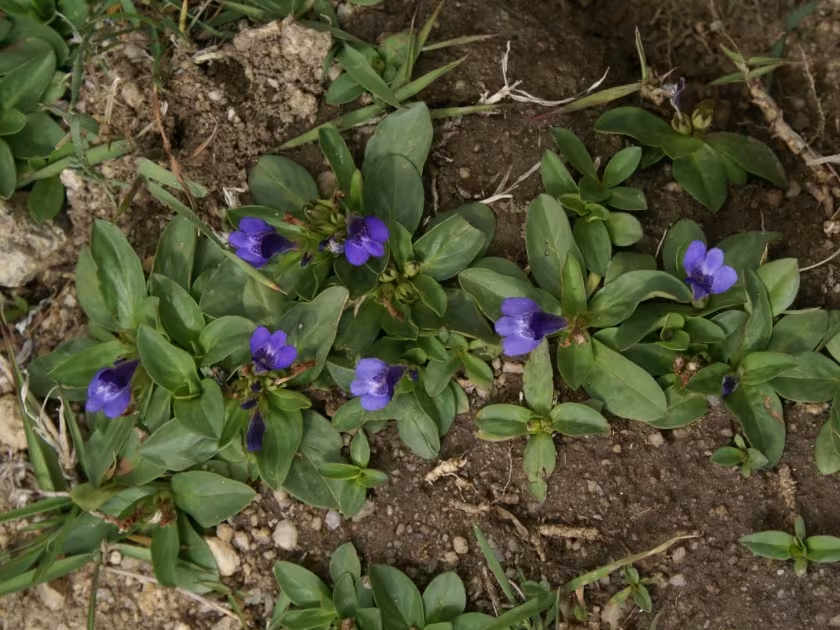
Description
Growing requirements
Lancea tibetica is a perennial herbaceous plant belonging to the Phrymaceae family. It is native to the high-altitude regions of the Tibetan Plateau and the Himalayas, thriving in challenging environments where few other plants can survive. This species is highly specialized for life in harsh, rocky alpine terrains.
Botanically, it is characterized by its low-growing habit, basal leaf rosettes, and striking tubular flowers that typically range in color from pale blue to deep violet. These structural adaptations allow the plant to withstand strong winds, intense solar radiation, and the short growing seasons typical of high elevations.
Regarding climate and soil requirements, Lancea tibetica demands well-drained, porous soils with a neutral to slightly acidic pH. It performs best in cool climates with clear, bright light. High humidity combined with heat is detrimental to the plant, often leading to rapid decline or fungal infections in the root zone.
In terms of agricultural management, the most critical factor is the prevention of waterlogging. Cultivators must ensure excellent drainage in the planting site. During the active growth phase, consistent moisture is necessary, but the soil must never remain saturated for extended periods, as this plant is strictly adapted to dry, well-aerated rocky substrates.
The primary economic use of Lancea tibetica is as a source of raw material for traditional medicine. The plant is valued for its anti-inflammatory and antioxidant properties, making it an object of interest for pharmacological studies. Its potential lies in the extraction of specialized compounds that are beneficial in therapeutic applications for various health conditions.