
Dodartia orientalis
Dodartia orientalis
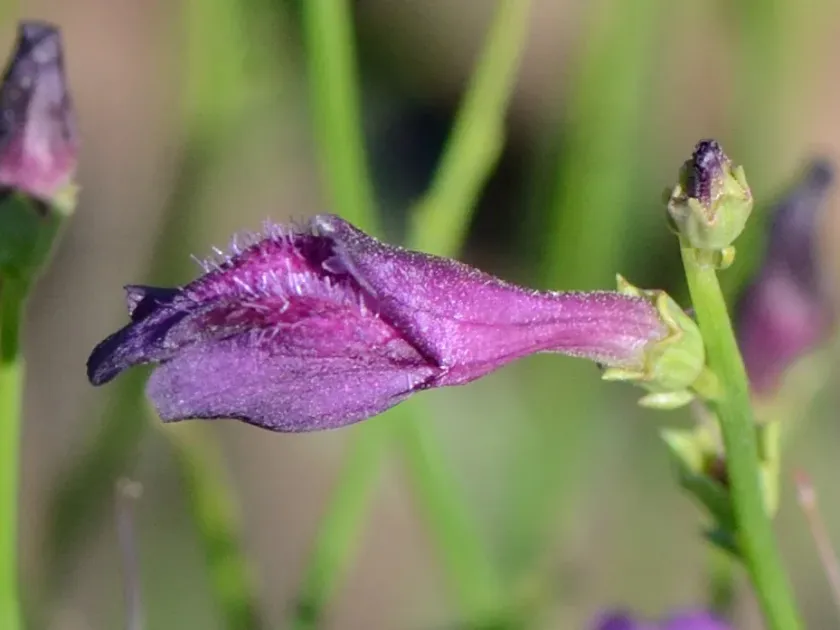
Description
Sowing dates
Dodartia orientalis is a perennial herbaceous plant belonging to the Scrophulariaceae family, known for its adaptation to arid environments.
The plant grows as a mono-typic genus and is primarily found in open steppe and semi-desert regions across Eurasia.
Propagation typically occurs through seeds, which are dispersed by wind currents in late summer and early autumn months.
In cultivation, sowing is best achieved during late autumn to allow the seeds to undergo natural stratification under cool soil conditions.
When starting seeds, shallow placement is necessary to ensure adequate light exposure, which is critical for successful germination.
Growing requirements
As a true xerophyte, Dodartia orientalis requires high light intensity and performs poorly in shaded or low-light environments.
The soil should be light, sandy, or stony with excellent drainage capabilities to prevent waterlogging, which is fatal to the root system.
It thrives in environments with low annual precipitation and can tolerate high levels of salinity in the soil profile.
Temperature fluctuations are naturally tolerated, as the plant is evolved to withstand hot, dry summers and cold, frosty winters.
Cultivation sites should be selected on open, well-ventilated plains to ensure proper airflow and avoid excess humidity accumulation.
Yield
The agricultural potential of Dodartia orientalis is focused on its pharmacological properties, particularly in traditional herbal practices.
Yielding is measured by the biomass of the aerial parts harvested during the peak flowering stage when active compounds are highest.
While not a large-scale commercial commodity, small-scale production relies on sustainable harvesting from established natural populations.
Productivity is highly dependent on the moisture levels in early spring, which determine the primary development of the green mass.
Future development aims at optimizing the cultivation protocols to increase the concentration of secondary metabolites in the harvested leaves.
Main diseases and pests
The plant is naturally resistant to many pests due to the presence of bitter glycosides that deter herbivorous insects and mammals.
The most common threat to the crop is root rot, which occurs when the soil remains too moist or when air circulation is severely restricted.
Competition from fast-growing invasive weeds is a primary concern for the development of young plants during the initial growth phases.
Disease management involves strictly controlling soil humidity and ensuring that the plantation is located in a well-drained area.
Avoiding the use of excessive fertilizers is essential, as the plant is adapted to nutrient-poor soils and may suffer from nutrient toxicity.
Harvesting
Harvesting is performed during the full blooming phase, which ensures the maximum accumulation of bioactive chemical components.
Manual cutting is preferred to ensure that the root crowns remain intact, allowing the plant to regrow in subsequent seasons.
Post-harvest handling includes immediate drying in shaded areas to preserve the integrity of heat-sensitive chemical compounds.
The material should be spread in thin layers to facilitate even moisture loss and prevent mold growth during the drying process.
Stored raw materials must be kept in cool, dry conditions to maintain their pharmacological potency for extended periods of time.