
Hyssop-leaved loosestrife
Lythrum hyssopifolia L.
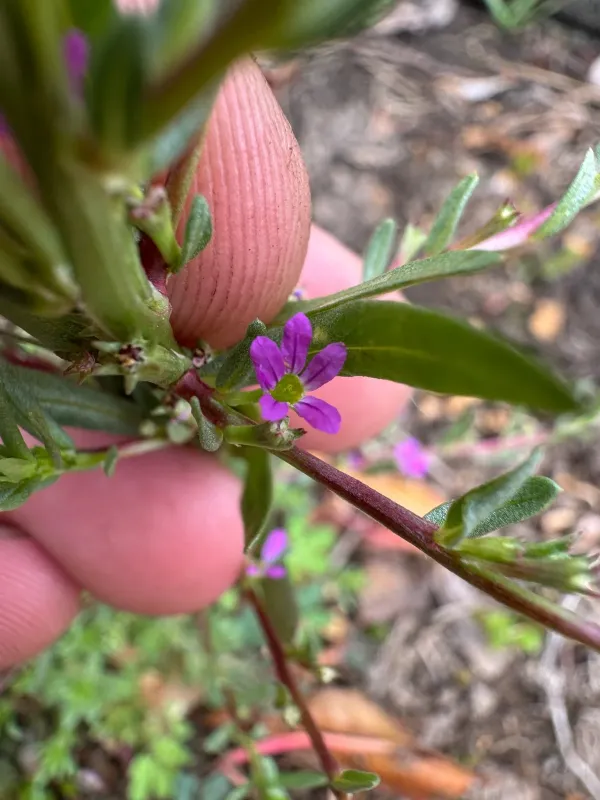
Description
Sowing dates
Hyssop-leaved loosestrife is an annual herb that follows a standard spring germination cycle. The optimal sowing time is when soil temperatures reach 10–12 degrees Celsius, usually occurring in late April or early May, allowing the plant to establish well.
Due to the tiny size of its seeds, they should not be planted deeper than 0.5 to 1 centimeter. Surface sowing is often preferred, as the seeds require light to germinate efficiently and ensure strong, uniform emergence across the field.
In experimental or agricultural settings, maintaining proper seed density is crucial to prevent competition for nutrients. Spacing between rows should be set at approximately 20 to 30 centimeters to allow for efficient weeding and air circulation.
In natural settings, the plant spreads through self-seeding, especially in damp areas near streams or wetlands. When cultivating, it is essential to keep the substrate consistently moist during the first few weeks after the seedlings emerge.
The total vegetative period from germination to seed maturity lasts between 90 and 110 days. This duration makes it suitable for growth in temperate climates, provided that moisture availability is maintained throughout the summer season.
Growing requirements
Belonging to the Lythraceae family, this species is a true hydrophyte with high moisture requirements. It thrives best in areas characterized by seasonal flooding, marshy soils, or riverbanks, where moisture is almost always present.
The soil profile for successful cultivation should have high water-retention capacity. Clay-heavy soils or silt loams are ideal for this plant, as they maintain the humidity necessary for growth, whereas sandy or well-draining soils often lead to stunted development.
This plant is highly heliophilic, meaning it requires full exposure to sunlight for optimal development. Shady conditions should be strictly avoided to ensure the plant produces the necessary secondary metabolites.
Hyssop-leaved loosestrife demonstrates impressive adaptability to various temperate climatic zones. It is uniquely suited for land reclamation or utilization of wet, otherwise unproductive agricultural fields where other crops would suffer from waterlogging.
Agronomic management often includes the strategic application of nitrogen fertilizers during the early vegetative phase, which helps support the development of a robust root system and vigorous foliage before the flowering stage begins.
Main diseases and pests
The primary threats to this crop are fungal diseases caused by stagnant air and excessive humidity. Symptoms often include leaf spot and various forms of root rot that can quickly spread if the drainage of the area is not managed correctly.
Pest pressure is often limited but can include aphids, which tend to congregate on the tender tips of the stems. In heavy infestations, these pests can sap the energy from the plant, reducing its photosynthetic efficiency and overall biomass.
Slugs and snails pose a significant risk to young seedlings in damp habitats, often consuming the entire plant before it matures. Maintaining clean surroundings and controlling weed growth can help reduce the hiding places for these gastropods.
To prevent disease outbreaks, crop rotation and thinning of overly dense stands are essential practices. Improving aeration within the canopy is one of the most effective ways to prevent moisture-loving fungal pathogens.
When chemical control is necessary, integrated pest management strategies should be employed to minimize environmental impact, ensuring that the final harvested product remains suitable for medicinal or ornamental use.