
Purple loosestrife
Lythrum salicaria L.
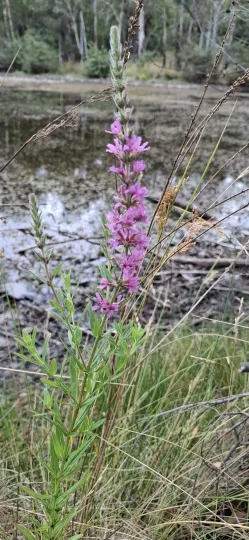
Description
Sowing dates
Purple loosestrife (Lythrum salicaria) is primarily propagated through seeds, which require a cold stratification period to break dormancy and ensure high germination rates.
Seeds should be sown in early spring, either in containers for later transplanting or directly into moist, prepared soil beds where the plants will be allowed to establish permanently.
Vegetative propagation is achieved by dividing mature clumps in the early spring or late autumn, ensuring each section has a healthy segment of rhizome and several viable buds.
Once established, the plant spreads vigorously via its extensive root system, so proper spacing is essential to prevent overcrowded conditions that may inhibit growth quality.
Direct seeding in the field requires a fine seedbed and constant moisture during the first few weeks, as young seedlings are susceptible to drying out before their roots reach deeper moisture layers.
Growing requirements
As a member of the Lythraceae family, Lythrum salicaria is naturally adapted to wet environments, thriving in marshes, riverbanks, and other areas with high soil moisture content.
The plant performs best in heavy, moisture-retentive soils with a neutral or slightly acidic pH, making it highly versatile for managing damp parts of a farm or garden.
Full sun is preferred for optimal flower production and biomass accumulation, although the plant displays significant tolerance to partial shade in various climatic zones.
It exhibits extreme winter hardiness, allowing it to survive sub-zero temperatures with ease, which makes it a very reliable perennial plant for temperate agricultural regions.
While tolerant of periodic flooding, the plant also shows a remarkable ability to survive fluctuations in water levels, provided the soil does not dry out completely during the height of summer.
Yield
The primary agricultural interest in purple loosestrife lies in its potential as a high-quality medicinal herb and its significant value as a prolific nectar source for honeybees.
The biomass yield is substantial, especially when plants are grown in nutrient-rich wetland soils, allowing for multiple harvests of stems and foliage during the growing season.
Nectar yield is a critical benefit for commercial apiaries, as the long flowering period provides a consistent food source for pollinators, contributing to overall honey production success.
Harvesting for medicinal purposes focuses on the aerial parts of the plant, which are rich in polyphenols and tannins, known for their astringent and antiseptic properties.
Strategic management of the harvest cycle, including timely pruning, can stimulate secondary growth and extend the availability of raw materials until late in the season.
Main diseases and pests
Purple loosestrife is widely recognized for its robust nature and natural resistance to most agricultural pests, often requiring little to no chemical intervention to thrive.
In humid conditions with limited airflow, plants may develop powdery mildew, which is best managed by increasing planting distance to promote better air circulation.
Leaf-eating insects can occasionally be found on the foliage, but they rarely cause enough damage to impact the health or productivity of a well-maintained planting site.
Good agricultural hygiene, such as removing debris and avoiding excessive nitrogen fertilization, helps maintain plant vigor and prevents the buildup of potential pathogens.
Because the plant is inherently resilient, environmental management strategies primarily focus on preventing the plant from spreading unintentionally into non-target wetland ecosystems.
Harvesting
Harvesting the aerial parts of Lythrum salicaria for drying should occur during peak bloom, typically mid-to-late summer, to capture the highest concentration of active compounds.
Stems should be cut cleanly to avoid root damage, and the material must be processed immediately by spreading it out in a shaded, ventilated environment to prevent mold growth.
Once dried, the plant material retains its properties for extended periods if stored in airtight containers away from direct sunlight and humidity to prevent degradation.
Seed harvesting involves collecting the flower spikes just as they start to brown, ensuring that they are dried further before threshing to separate the tiny seeds.
Efficiency in the harvest process is improved by using specialized equipment suitable for tall, dense herbaceous growth, ensuring a clean cut that supports future plant recovery.