
Water purslane
Lythrum portula (L.) D. A. Webb
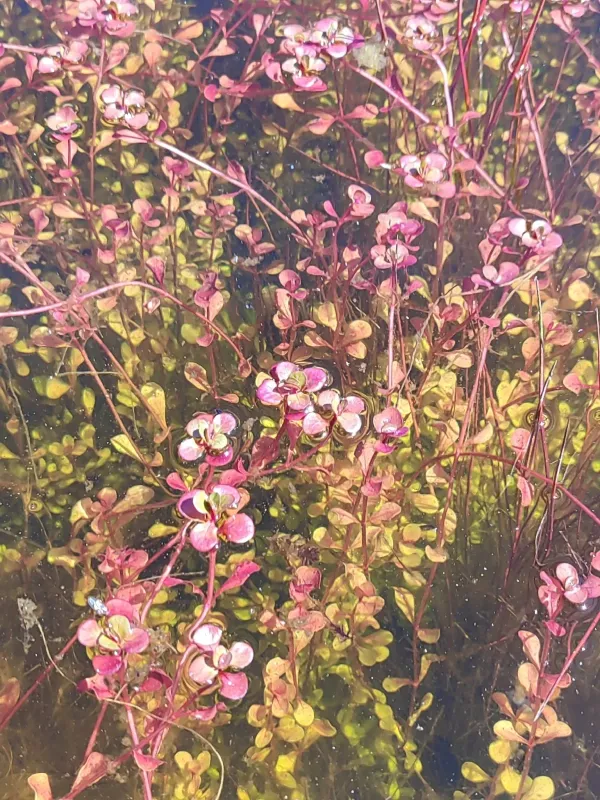
Description
Growing requirements
Water purslane (Lythrum portula) is a herbaceous perennial plant belonging to the Lythraceae family. It is naturally distributed across temperate regions and is well-adapted to aquatic or semi-aquatic environments.
As a hygrophilous plant, its primary requirement for successful growth is constant soil moisture. It is most effectively cultivated along the margins of ponds, streams, or in marshy garden areas where the root system remains submerged or waterlogged.
The crop thrives in nutrient-rich, silty or loamy soils with a neutral to slightly acidic pH. It performs best in sunny locations, which encourage denser growth and healthier development of the stems and leaves.
Botanically, the plant is characterized by its prostrate or ascending stems and opposite, obovate leaves. The small flowers are typically axillary, reflecting its adaptation to low-profile moisture-loving growth strategies.
In terms of хозяйственное usage, water purslane is primarily utilized in landscape design. It serves as an excellent groundcover for pond edges, contributing to natural filtration and aesthetic stabilization of wet soil areas.
Main diseases and pests
Water purslane is generally resilient against common agricultural pathogens, provided it is grown in its preferred environment with adequate water quality.
The main threats to the plant include various leaf-eating beetles and larvae that may cause localized damage to the foliage during periods of peak vegetative activity.
If water becomes stagnant and lacks oxygen, root rot may develop, which is the primary health risk for this species in artificial environments.
Invasive weeds can compete with the young plants for sunlight and space, necessitating manual weeding during the early stages of establishment.
Implementing a biological control approach is recommended for aquatic settings to protect the water quality and maintain the balance of the surrounding ecosystem.