
Wand loosestrife
Lythrum virgatum L.
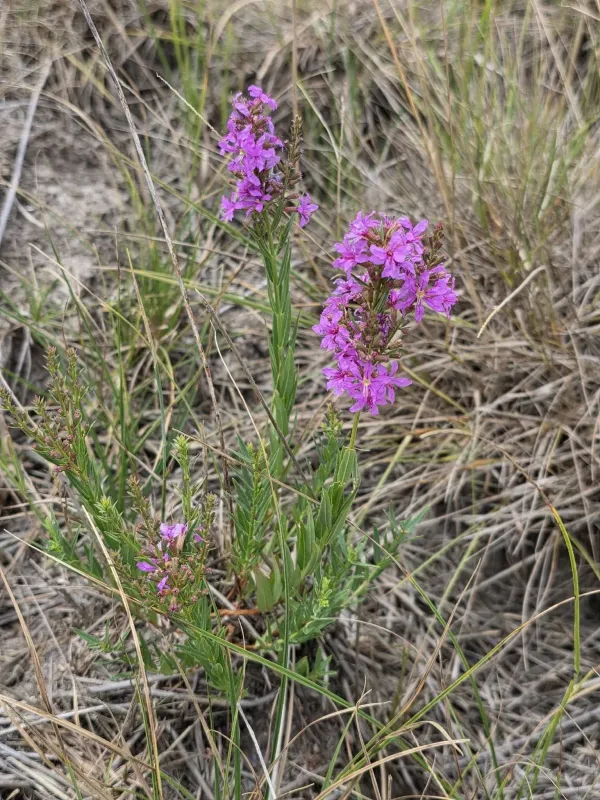
Description
Sowing dates
Sowing seeds of Lythrum virgatum in open ground is typically performed in late autumn or early spring. The seeds require stratification to ensure uniform germination, making dormant autumn sowing an effective natural method.
When starting indoors, seeds are sown in trays during March. Because they need light to germinate, the seeds should be spread on the surface of the growing medium rather than buried deeply.
Seedlings are pricked out once they develop two or three true leaves. Constant soil moisture is critical at this stage, as the wand loosestrife is inherently adapted to humid conditions and will suffer if the soil dries out completely.
Transplanting into the permanent garden site should occur after the danger of spring frost has passed, usually late May. Planting at a spacing of 40–50 cm ensures adequate airflow and space for mature root systems.
Vegetative propagation via root division is a highly efficient way to multiply established clumps. This process is best performed in the spring or early autumn, allowing the plants to settle before extreme temperature changes.
Growing requirements
Lythrum virgatum belongs to the Lythraceae family and is recognized for its preference for wet, riparian habitats. In its native Eurasian range, it is commonly found in floodplains and along the edges of ponds and streams.
The culture thrives in full sun, which is essential for producing the most vibrant flower spikes. While it can tolerate partial shade, insufficient light will lead to leggier plants and significantly reduced flower production.
Soil requirements focus on fertility and moisture retention. Heavy clay soils, which might be challenging for many other species, are ideal for wand loosestrife due to their ability to hold water throughout the growing season.
Management of water levels is the most important agronomic factor. This plant is well-suited for rain gardens and areas surrounding water features, as it can withstand temporary flooding and high water tables without root rot.
Hardiness is a standout trait of Lythrum virgatum. It is capable of surviving harsh winters without the need for specialized mulch or protective covers, making it a low-maintenance perennial in various climatic zones.
Main diseases and pests
The wand loosestrife is naturally resilient and rarely suffers from severe pathological issues. However, in overly crowded planting conditions with poor air circulation, powdery mildew can occasionally manifest on the foliage.
Insect pests such as aphids and various leaf-chewing beetles may occasionally attack young growth. In hot and dry spells, spider mites may appear, though this is less common given the plant's moisture requirements.
Fungicides can be used if powdery mildew becomes an issue, but cultural controls, such as proper spacing and thinning, are often sufficient to keep the plant healthy. Prevention remains the primary strategy.
Insecticides should be applied sparingly, especially if the plant is managed in a pollinator-friendly garden. The focus should be on selecting systemic or contact treatments that are safe for beneficial insect populations.
Regular monitoring of the plant’s condition, particularly during the peak of summer, allows for early detection of potential stress factors, ensuring that the plant remains vigorous and productive throughout the season.
Harvesting
The primary utility of wand loosestrife lies in ornamental landscaping and apiculture. For cut flower arrangements, spikes should be harvested when the flowers on the lower half of the raceme begin to open.
For medicinal herb applications, the aerial parts of the plant are typically harvested at the height of the blooming season. The biomass should be dried in a well-ventilated, shaded area to preserve essential oils.
As a honey plant, wand loosestrife serves as an important source of late-season nectar. Beekeepers value the plant for its extended flowering duration, which supports colony strength throughout the mid-summer months.
Post-flowering maintenance involves cutting back the spent spikes to encourage tidiness and potentially stimulate a second flush of bloom. Removing spent blooms also prevents the plant from self-seeding excessively.
The final cut of the season is performed in late autumn, once the foliage begins to wither. Removing the old stems prepares the plant for a dormant period and promotes healthy new growth in the following spring.