
Lafoensia punicifolia
Lafoensia punicifolia
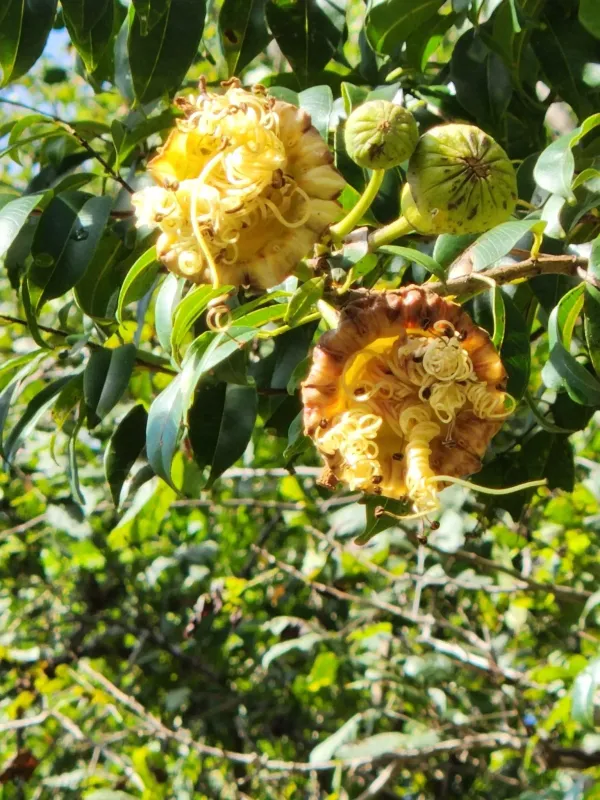
Description
Growing requirements
Lafoensia punicifolia is a notable species within the Lythraceae family, recognized for its robust growth and high-quality timber. It originates from tropical regions where it plays an integral role in the local ecosystem and forest management strategies.
The plant requires well-drained, fertile soil to thrive. It is particularly sensitive to waterlogging, necessitating planting sites on elevated terrain or soils with high sand or gravel content to ensure proper drainage and root aeration throughout the year.
Ideal cultivation conditions involve warm tropical climates with ample sunlight. While young specimens may tolerate partial shade, mature trees require full sun exposure to maintain vigorous growth rates and to ensure the proper structural development of the trunk.
Agronomic practices for this culture focus on regular weeding and mulch application during the early establishment phase. Irrigation should be managed carefully to replicate natural rainfall patterns, avoiding excessive water accumulation around the root system.
The tree is primarily utilized in the timber industry, where its wood is valued for its durability and aesthetic properties. Furthermore, the bark of Lafoensia punicifolia is historically used for its tanning properties, owing to the high concentration of tannins present in its tissues.
Main diseases and pests
Fungal diseases are the primary threat to the leaf canopy, especially in high-humidity environments. Proper spacing between trees is recommended to promote air circulation and reduce the risk of pathogen outbreaks that could affect tree health.
Common insect pests include foliage-feeding beetles and scale insects that can cause significant leaf damage. Integrated pest management, focusing on biological controls and regular field monitoring, is essential to protect the long-term productivity and vitality of the plantation.