
Lafoensia pacari
Lafoensia pacari
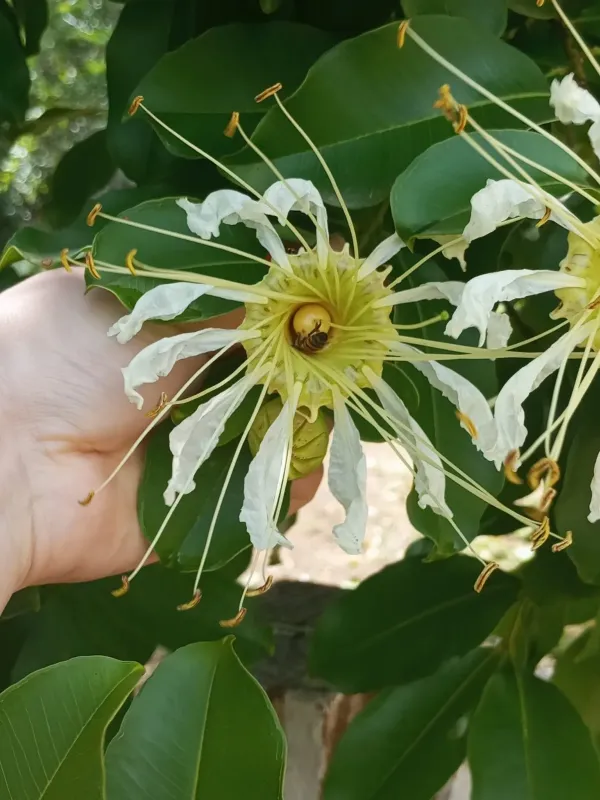
Description
Growing requirements
Lafoensia pacari is a resilient evergreen tree belonging to the Lythraceae family. It is a prominent species in its native habitat, known for its significant height and ecological importance in the tropical savanna ecosystems of South America.
The plant thrives in well-drained, nutrient-rich soils but shows remarkable adaptability to various soil types. Ensuring a robust root system establishment is the primary goal during the early stages of cultivation to withstand seasonal variations in water availability.
Climatic requirements are centered on high solar radiation and stable temperatures characteristic of tropical zones. It is highly resistant to drought once fully established, making it a sustainable choice for reforestation and agroforestry projects in the region.
Agricultural practices involve regular monitoring of soil moisture levels and canopy health. Pruning is recommended to maintain the structural integrity of the tree and to ensure that harvesting of bark and leaves, used for medicinal extracts, can be conducted efficiently.
The economic and industrial value of Lafoensia pacari is steadily increasing. Its extracts are highly sought after for their antioxidant and anti-inflammatory properties, providing a sustainable income source for local communities involved in the cultivation and processing of this species.
Main diseases and pests
The main phytosanitary challenges include fungal infections that affect the foliage during high-humidity seasons. Pests such as scales and mites can also impact growth, necessitating integrated pest management strategies to keep the trees healthy and productive throughout the year.