
Heimia myrtifolia
Heimia myrtifolia
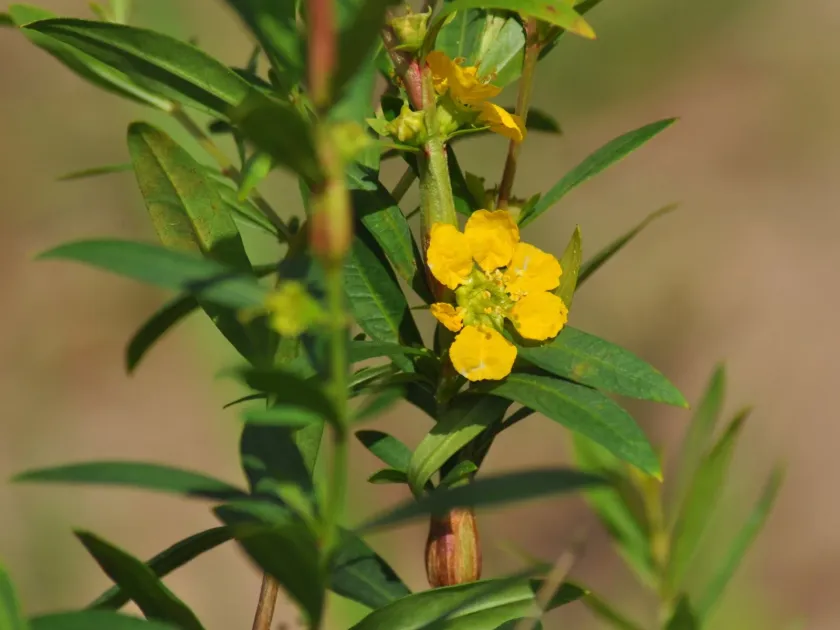
Description
Sowing dates
Sowing of Heimia myrtifolia is primarily carried out in the spring season when soil temperatures reach a stable range of 18–20 degrees Celsius.
To accelerate germination, seeds should ideally undergo a stratification process for several weeks under low-temperature conditions.
In temperate climates, the transplanting method is preferred, sowing seeds in loose substrate in late winter to prepare for outdoor planting.
The sowing depth should not exceed 0.5–1 cm, as the seeds require sufficient light exposure for effective activation of the germination process.
When sowing directly into the soil, maintaining high surface moisture is critical until the first sprouts emerge, typically taking two to four weeks.
Growing requirements
Heimia myrtifolia belongs to the Lythraceae family and is native to South American environments, thriving in well-lit locations.
This crop has high demands regarding soil moisture levels, yet it is extremely sensitive to waterlogging, necessitating a well-draining soil profile.
Optimal soil pH levels for successful plant development range from slightly acidic to neutral soil reaction.
The plant is heat-loving and sensitive to sudden temperature drops, making regions with mild, frost-free climates most suitable for commercial production.
During the vegetation period, it is important to ensure regular fertilization with complex mineral fertilizers, specifically those high in nitrogen to support foliage growth.
Yield
The yield of green mass for Heimia myrtifolia depends heavily on planting density and the intensity of solar radiation on the plantation.
Under optimal conditions, the shrub can reach up to one and a half meters in height, providing a significant volume of raw material when handled correctly.
Harvesting is performed in stages by cutting shoots once they reach the active flowering phase, when the concentration of secondary metabolites is at its peak.
Following the first harvest, the plant shows strong regenerative capacity, allowing for subsequent harvests within a single growing season.
To preserve product quality, drying must be conducted in shaded, well-ventilated rooms at temperatures not exceeding 40 degrees Celsius.
Main diseases and pests
Among the primary pests for this crop, spider mites and various aphid species pose the greatest threat by damaging young leaves.
In conditions of high humidity and poor ventilation, plants are susceptible to fungal diseases such as powdery mildew or root rot.
To prevent pest infestations, regular treatment with biological insecticides is recommended, ensuring the quality of the medicinal raw material remains uncompromised.
Adhering to crop rotation and avoiding over-irrigation are the most effective agronomic measures to prevent outbreaks of infectious diseases.
Regular monitoring of the underside of the leaves allows for the early detection of pest hotspots, enabling rapid containment before widespread damage occurs.
Harvesting
Harvesting of Heimia can be performed using mechanized equipment or manual labor, depending on the scale of the farm and field topography.
The main criterion for harvest readiness is the peak flowering phase, as this is when the plant contains the highest concentration of active biological components.
Once cut, shoots must be promptly transported to the primary processing facility to prevent heating and decomposition of the raw material.
It is essential to use sharp tools during the harvest process to avoid damaging the root system of these perennial plants.
Post-harvest management includes sorting the raw material, removing impurities, and shredding to facilitate the subsequent drying process.