
Heimia salicifolia
Heimia salicifolia
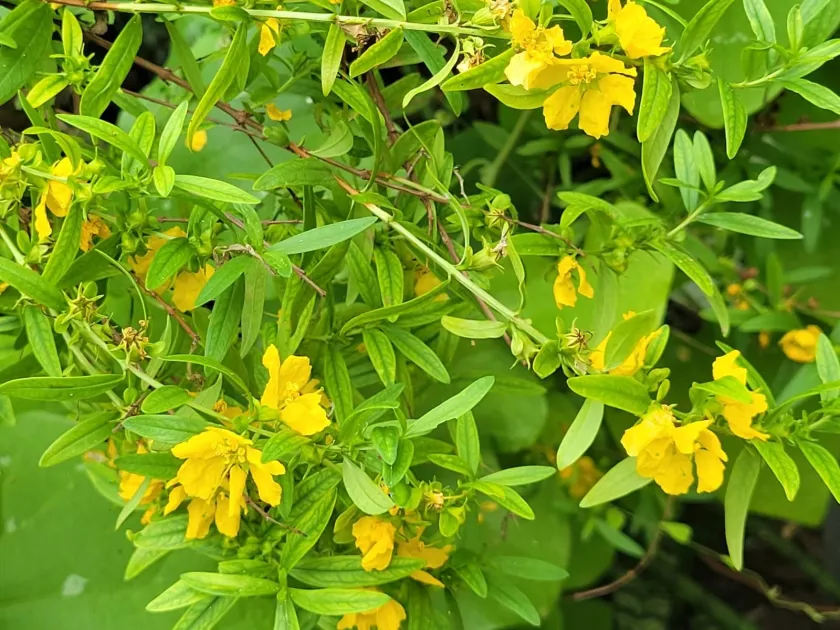
Description
Sowing dates
Sowing Heimia salicifolia seeds in temperate climates is best performed in late winter or early spring within a controlled greenhouse environment.
The seeds are exceptionally small and should be sown on the surface of the soil, requiring only a light dusting of sand or fine vermiculite.
Optimal germination requires a constant temperature between 20 and 25 degrees Celsius and a consistently humid soil medium to thrive.
Seedlings should be pricked out once they develop two true leaves, transferring them into individual pots to facilitate root development.
Transplanting to an outdoor location must be delayed until all frost risks have passed, as this species is highly sensitive to cold stress.
Growing requirements
Heimia salicifolia, a member of the Lythraceae family, is a sun-loving perennial shrub that requires full exposure to natural daylight.
The plant thrives in loose, well-draining soil with a neutral to slightly acidic pH, which is vital for maintaining root health.
Proper irrigation management is essential, as the plant demands regular watering while being highly prone to root rot in waterlogged conditions.
During the active growth phase, applying a balanced mineral fertilizer high in nitrogen supports vigorous development of leaves and stems.
Routine cultivation tasks include weeding and soil aeration, which improve oxygen circulation to the root zone and enhance overall plant vigor.
Main diseases and pests
Spider mites are a common threat to this culture, particularly when grown indoors where air humidity levels tend to remain low.
Excessive irrigation often results in fungal root rot, leading to the rapid wilting and eventual collapse of the entire shrub structure.
Aphid infestations typically target tender new shoots, severely stunting the growth and reducing the overall vitality of the plant.
In stagnant or humid greenhouse conditions, powdery mildew can spread quickly, requiring immediate intervention with appropriate fungicides.
Integrated pest management strategies are recommended, including proper plant spacing and consistent monitoring to prevent widespread outbreaks.
Harvesting
Harvesting the crop occurs during the peak flowering stage to ensure the highest concentration of beneficial phytochemical compounds.
The upper parts of the stems are carefully pruned using disinfected gardening shears to avoid mechanical damage or secondary infections.
Post-harvest material is dried in a shaded, well-ventilated area, spread in thin layers to ensure uniform drying without fungal contamination.
Strict avoidance of direct sunlight is necessary to protect the plant's active compounds from degradation during the drying process.
Dried leaves and flowers should be stored in opaque, airtight containers within a cool, dry place to maintain their potency for long-term use.